— 10.30-11.30am
event Details
Join art historian Linda Yang for an informative and accessible six-week lecture series that provides foundational knowledge of the Dutch artists during the 17th century. Choose between lectures on-site in the Gallery’s auditorium or access the recordings later. Price includes all six lectures.
Class dates are Wednesdays 6, 13, 20 May and 3, 10 and 17 June 10.30-11.30am
Note! No lecture on May 27
This is a Members-only lecture series. Gallery Members get free unlimited entry to all exhibitions, discounts, access to the Members Lounge and much more. Click here to find out more about our Membership programme.
Money and Morality: Dutch Painting in the 17th Century
Dutch painting proliferated in the 17th century. A hard won political and religious independence fostered a rising wealthy middle class, which in turn sparked a flourishing art scene. We will explore how art functioned in private and public domains, reflecting family values and the perennially compelling concerns of morality and immortality. Our survey will take us through narrative painting, portraiture and still life, unpacking the work of Judith Leyster, Rembrandt van Rijn and Johannes Vermeer among many others.
Lecture Programme
Week 1: History Painting: History painting, or narrative painting, was the most highly regarded painting genre of this period. Necessitating a degree of scholarship on the part of the painter and viewer to interpret the narratives, history paintings were often complex, allegorical vehicles for moral lessons. We will attempt to ‘read’ these paintings ourselves and consider the clarity and impact of each work.
Week 2: Religious Painting: The Dutch Republic was officially Calvinist, which required a drastic departure from the more overt, bombastic visual expressions of Christianity seen in the recent Catholic past. This class will consider how artists in the Dutch Republic adapted their approaches to their new Calvinist Republic.
Week 3: Portraits and Patrons: The personal, professional and political ambitions of patrons saw a rise in portraiture in the Dutch Golden Age. We will look at a range of portraiture including group portraits and marriage portraits, exploring how the subjects are memorialised in each.
Week 4: Rembrandt’s Self-portraits: Rembrandt’s oeuvre is singular in the Dutch Golden Age, in part because of his prolific creation of self-portraits. Seen as a body of work, they provide an insight to his artistic practice as a site of technical experimentation and reveal his professional ambitions.
Week 5: Genre Painting: Paintings of so-called ‘everyday life’ purport to give an insight into daily routines but often reveal more about the moral codes of the day. At turns humorous, ambiguous and enigmatic, these paintings offer multiple interpretations for us to untangle.
Week 6: Still Life and Landscape: Relegated to the lowest status of painting, still life and landscapes were often dismissed as mere mimicry. However, complex subtexts could be folded into these works, with still-life arrangements acting as conduits for conversations around immortality and sin. Women artists were able to paint still lifes, side-stepping the need to study human anatomy, and created some of the most mesmerising examples of the genre.
About the lecturer
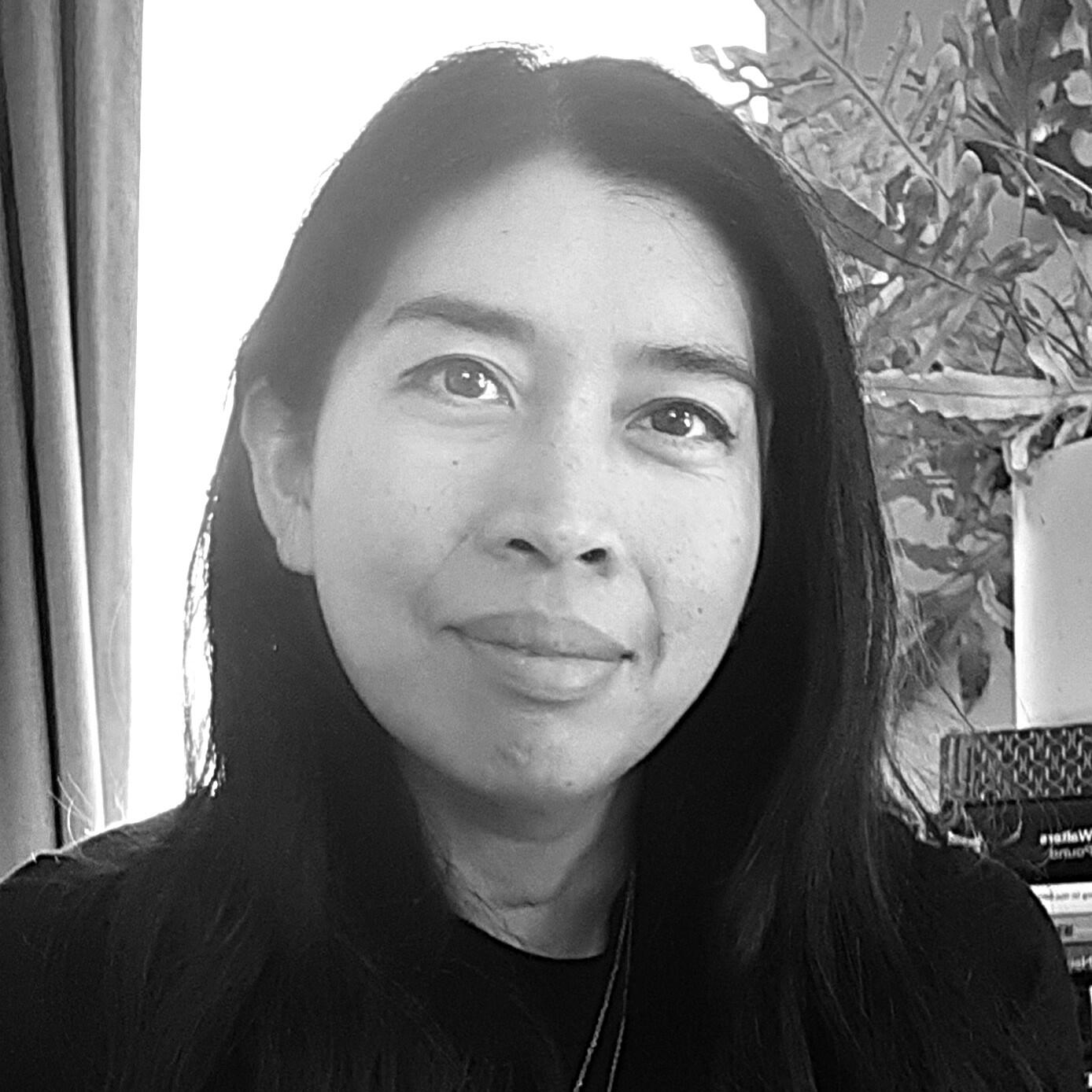

Linda Yang (BFA/BA Hons, MA)(BFA/BA Hons, MA) is an art historian and educator. She has taught a range of art history and photography classes to secondary and tertiary students as well as adults at the University of Auckland Waipapa Taumata Rau, New Zealand School of Education, Browne School of Art and Auckland Art Gallery Toi o Tāmaki. Linda was a long-time assistant of Marti Friedlander (1928–2016), one of New Zealand’s most famous and celebrated photographers. She is the archivist for the Marti Friedlander Archive, which is held by the Gallery’s E H McCormick Research Library. Linda prides herself on creating a safe environment where ideas can be exchanged and explored freely in discussion.
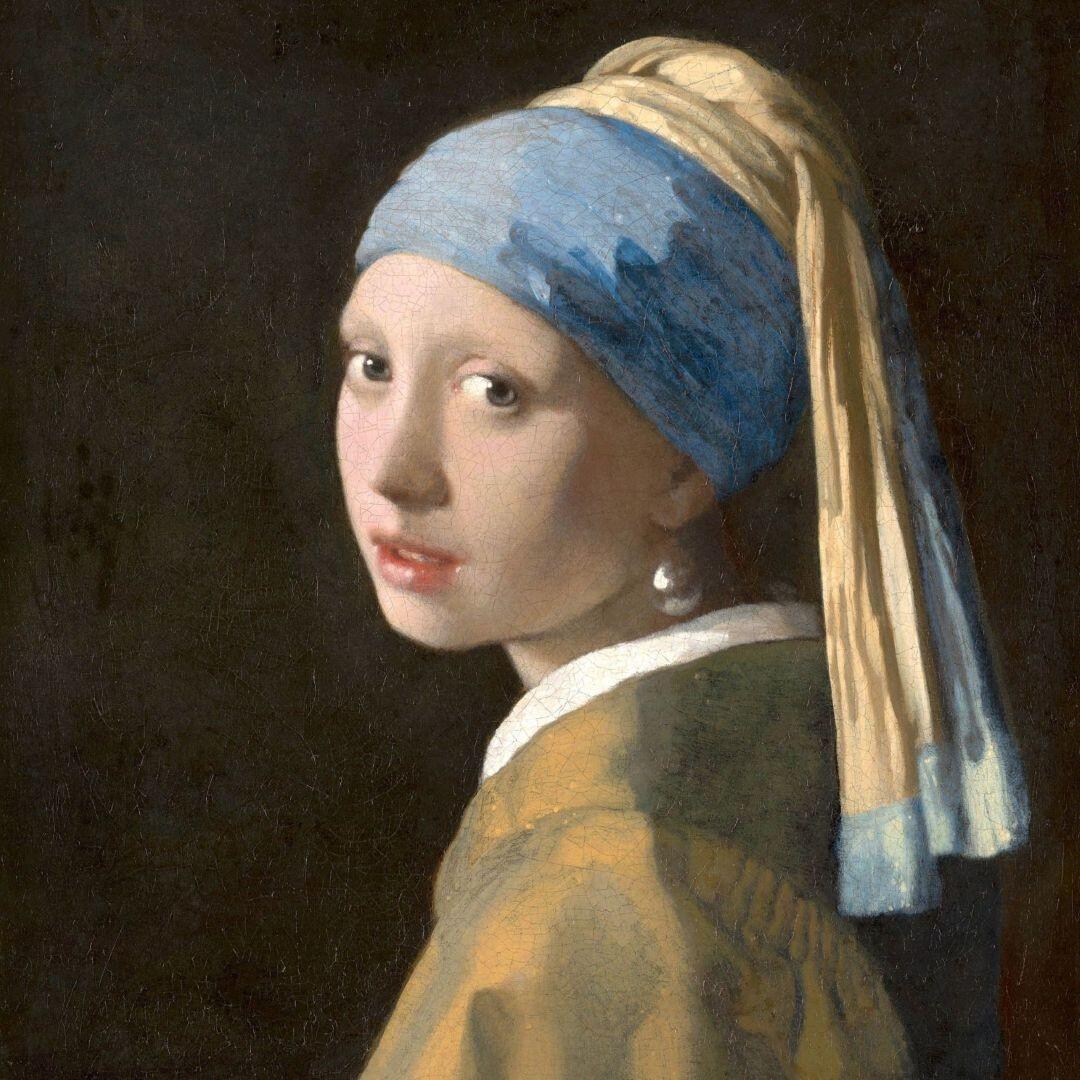
Image credits: Johannes Vermeer, Girl with a Pearl Earring, circa 1665, Mauritshuis, The Hague. | Linda Yang image supplied
- Date
- —
- Location
- Auditorium and Recordings
- Cost
- Members | Auditorium $130.00, Recordings $95.00 (+ fees), total for x 6 lectures