Meet the Māori portraits connecting us to Waitangi Day

Article Detail

Step onto the top floor of the Auckland Art Gallery Toi o Tāmaki historic wing and enter Te Kawau Gallery. This is a sacred space, where the walls come alive with portraits of some of the greatest rangatira from across the motu, painted by one of the most prolific portraitists of the late 19th and early 20th centuries, Gottfried Lindauer.

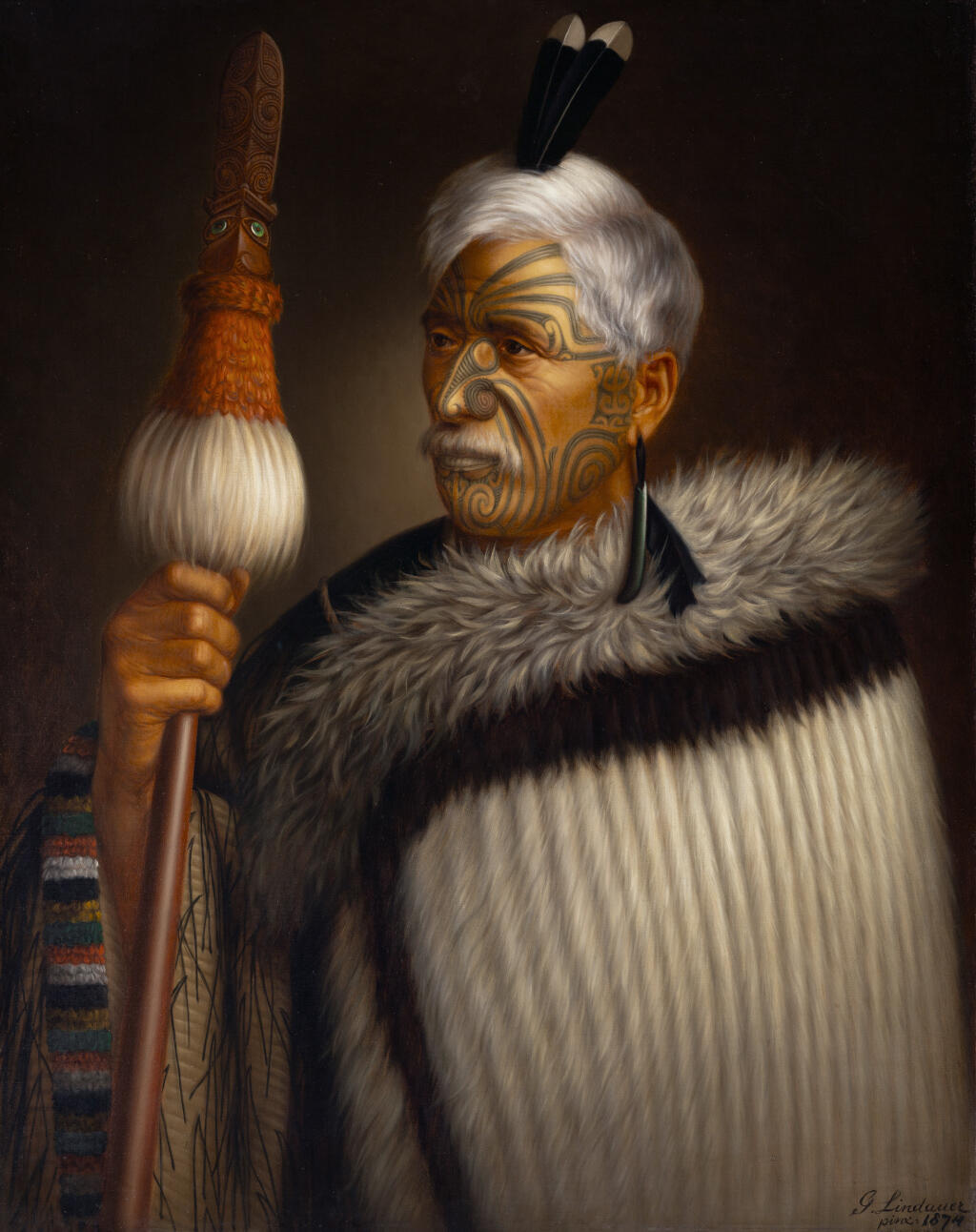
Among the treasured portraits on display is Te Hira Te Kawau, son of Apihai Te Kawau (late 1700s–1869). Apihai Te Kawau was the paramount chief of Ngāti Whātua Ōrākei and is known as the founding father of Tāmaki Makaurau. He signed Te Tiriti o Waitangi in 1840.

The gallery itself is named Te Kawau Gallery in honour of Apihai Te Kawau and his significance to the rohe. 

Together, these two rangatira had a lasting impact not only on the people of Ngāti Whātua, but on the emergence of Tāmaki Makaurau itself. Their decisions, strategies and relationships with the Crown shaped the whenua, including the very land on which Auckland Art Gallery Toi o Tāmaki now stands.
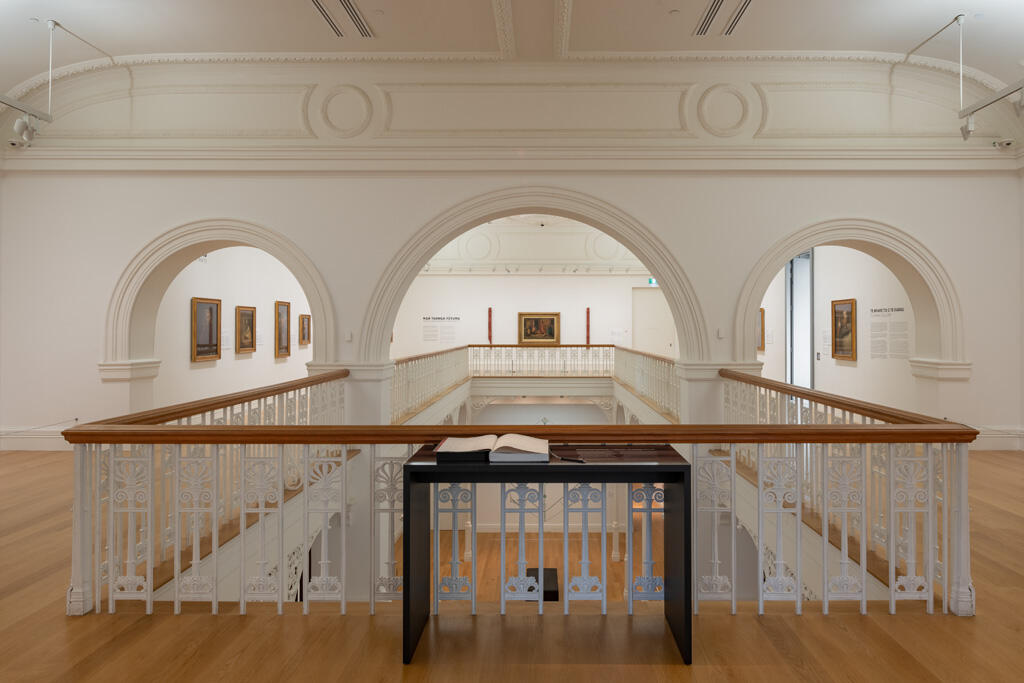
<p>Te Kawau Gallery, located on the top floor of&nbsp;Auckland Art Gallery Toi o Tāmaki&rsquo;s historic wing.</p>

Te Kawau Gallery, located on the top floor of Auckland Art Gallery Toi o Tāmaki’s historic wing.

The gift of land 

In 1840, a vast parcel of land, approximately 3000 acres, was allocated to Governor Hobson to establish a new settlement. This land would become the heart of Auckland, stretching from Parnell to Herne Bay, rising to the summit of Maungawhau and flowing down to the very site where Auckland Art Gallery Toi o Tāmaki now stands. 

What does Waitangi Day mean to you? 

Waitangi Day marks the first signing of Te Tiriti o Waitangi between Māori and the British Crown in 1840, but it is more than just a day of remembrance. Te Tiriti o Waitangi represents an ongoing promise, a covenant. Waitangi Day is a time to pause, reflect, and honour the rangatira who came before us, rangatira whose decisions continue to shape who we are today. 

There were many rangatira who signed Te Tiriti o Waitangi, each for their own reasons, each making a choice, rooted in intention and significance, to preserve and protect Māori culture, heritage and rights. 

At Auckland Art Gallery Toi o Tāmaki, the Te Kawau Gallery is home to portraits of rangatira of great significance, representing hapū and iwi from across Aotearoa.

<p><strong>Gottfried Lindauer</strong>, <em>Te Hira Te Kawau</em>, 1874, Auckland Art Gallery Toi o Tāmaki, gift of Mr H E Partridge, 1915.</p>

Gottfried Lindauer, Te Hira Te Kawau, 1874, Auckland Art Gallery Toi o Tāmaki, gift of Mr H E Partridge, 1915.

Art as a living history 

Standing in this space today, surrounded by art and history, you are connected to the vision and decisions of rangatira who shaped this place. Their legacies remain embedded in the whenua and woven through every corner of Tāmaki Makaurau. 

Visiting Te Kawau Gallery is an encounter with living history, where each rangatira invites us to pause, reflect and remember the stories that continue to shape who we are today. 

See Gottfried Lindauer's Te Hira Te Kawau and more in our Ngā Taonga Tūturu: Treasured Māori Portraits exhibition, currently on display in Te Kawau Gallery until 29 November 2026.