12 reo Māori words for your next visit to Auckland Art Gallery
Add these art-related kupu to your vocabulary and learn how te reo Māori can deepen your understanding of art and the world.
Celebrate Te Wiki o Te Reo Māori with the Gallery
Te reo Māori is an everyday language, one that will deepen and enrich your life and experiences. In 2026, Te Wiki o te Reo Māori (Māori Language Week) is celebrating its 51st anniversary, and it takes place from 14 September to 20 September.
Get involved with Te Wiki o Te Reo Māori with these 12 kupu hou, or new words, to add to your kete. Every kupu carries its own whakapapa which offers a different perspective and way of looking at the world.
For Māori, art can be a creative way of expressing and passing on knowledge, identity and whakapapa. Across generations, knowledge has been carried through many different forms of toi Māori.
Auckland Art Gallery Toi o Tāmaki is home to artworks that hold many stories and connections. Walking through the Gallery with even a handful of kupu Māori, or Māori words, can bring your experience alive.
So wherever you are on your journey of learning te reo Māori don’t be afraid to give it a go. It’s never too late to start. Take these new words with you into the Gallery – you may find they will stay with you long after Te Wiki o te Reo Māori is over.
Kia kaha te reo Māori – Let the language thrive!
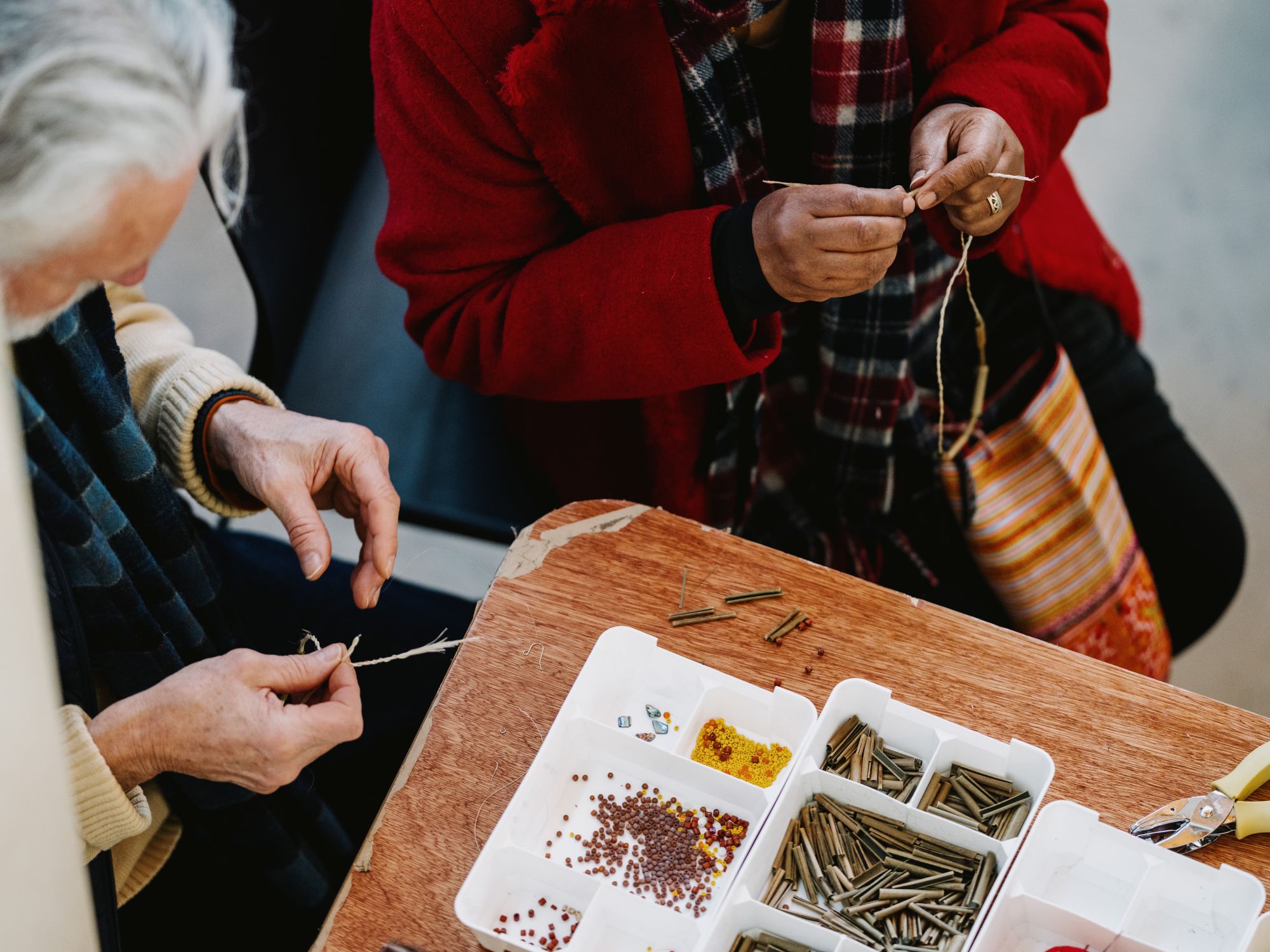
Toi (Art)
The word toi often translates to ‘art’ in many contexts. For example, you might be familiar with toi Māori (Māori art), whare toi (art gallery or house of art) and ringatoi (artist, more on that below).
Toi can also mean knowledge, skill, excellence, source, origin or mastery. It’s interesting to note that across Aotearoa New Zealand, there’s no single definition of toi. Each iwi, hapū and community brings its own understanding of the word’s meaning. What remains constant is that toi brings together creativity, identity and culture.
Ringatoi (Artist)
Ringatoi is the Māori word for artist. Break it down and you get ringa (hand) and toi (art), which can be interpreted as the hands that create a work of art.
The word offers a beautiful way of thinking about what an artist does. As you walk through the Gallery, look at the hands behind the work. What can the hands of an artist tell us about how a work of art was made? What can we learn from looking closely at the skills involved in making the work of art?
Peita (Paint)
A kupu mino, or word borrowed and adapted from English, peita can mean the paint itself or the act of painting.
Loanwords like this are part of te reo Māori as a language that is living and evolving, showing how Māori have adapted to new ways of being while staying distinctly true to our culture.
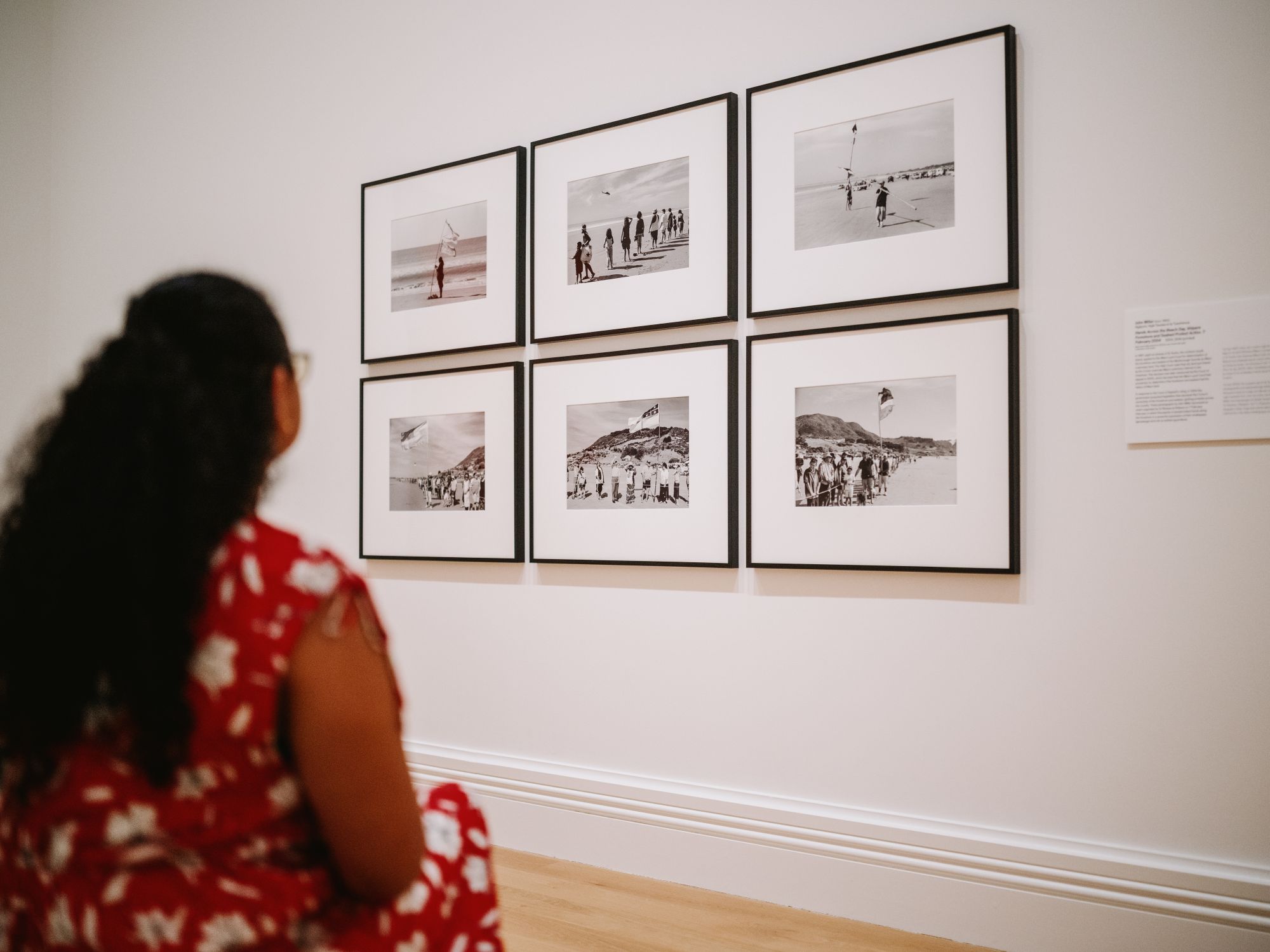
These whakaahua are from ringatoi John Miller in his series Hands Across the Beach Day, Ahipara Foreshore and Seabed Protest Action. 7 February 2004, 2004, 2024.
Tae/Kara (Colour)
In te reo Māori, many kupu have different meanings depending on how and when they’re used. Tae means colour, hue or pigment, and can also refer to words used to describe colour. Kara is another kupu mino, commonly used to mean colour, but it can also be used to mean flag, banner or standard.
In te ao Māori (the Māori world), colours are often named through direct associations with the natural environment, rather than through abstract categories. Colours can also carry symbolism, associations, and meaning.
As you walk through the Gallery, pay attention to the colours used in the artworks. How did the artist intentionally use colour to contribute to the story, feeling, or meaning of the artwork?
Kaupapa (Theme or purpose)
Kaupapa is a common word you might have heard, often translated as ‘theme’ or ‘purpose’. However, it is another example of a kupu Māori that does not have a single English translation, as is often the case when translating between languages.
Kaupapa can refer to a purpose, plan, theme, guiding idea or underlying intention. It often invites us to ask ‘Why?’
He aha te kaupapa? Or, what is the theme, meaning or purpose? This question can help us think about the why behind an artwork.
Why did the curator choose to include this work here? What is the meaning or intention behind the work of the ringatoi? The kaupapa is the underlying idea, purpose or intention that guides the work.
Whakaahua (Photograph, image or portrait)
Whakaahua can refer to a photograph, image, portrait or representation. The word is built from whaka-, a prefix that can indicate causing or bringing something about, and āhua, meaning form, shape, appearance or likeness.
At its heart, whakaahua is about representing or giving form to something, or creating an image that allows us to see, remember or recognise a person, place or thing.
In the Gallery, whakaahua can invite us to think about what an image captures and what it communicates. What has the ringatoi chosen to show?
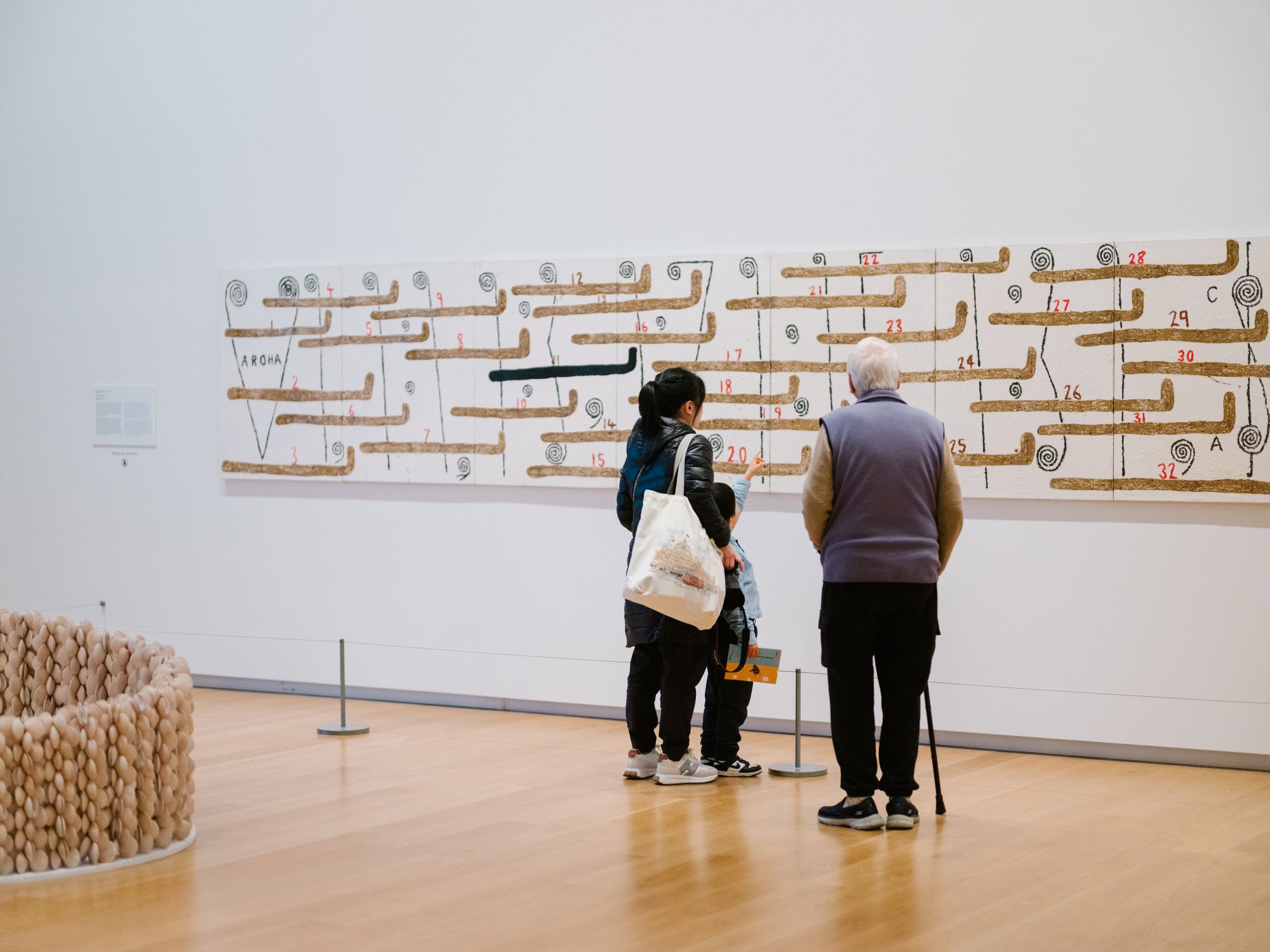
Can you spot the kupu in this artwork?
Artwork credit: Peter Robinson, Painting 1993, 1993, tar, wax, earth and oil on canvas, Auckland Art Gallery Toi o Tāmaki, purchased 1993.
Aroha (Love)
Aroha is perhaps one of the most common kupu Māori used in everyday conversations and is often translated as ‘love’. However, the word aroha extends beyond love alone.
For example, ‘Aroha mai, aroha atu’ is a traditional Māori proverb that translates to ‘Love received, love returned’, reflecting the values of manaakitanga and reciprocity in Māori culture.
Many ringatoi show their aroha through their artwork. Pay attention to how aroha transcends the artwork. It’s a kupu you’ll often hear and one worth learning early, since it is commonly used.
Taiao (Environment, natural world)
Te taiao is central to Māori culture, and this connection is reflected throughout toi. From raranga (weaving) using harakeke (flax) and other materials sourced from te taiao, to contemporary works responding to climate change and the whenua (land), ringatoi Māori often draw on observations and knowledge that come from our relationship with te taiao.
‘Ko au te whenua, ko te whenua ko au’ is a well-known whakataukī (Māori proverb) that speaks to our relationship with the environment: ‘I am the land, and the land is me.’ It expresses a worldview in which we are part of the environment rather than separate from it.
The toi you encounter in the Gallery will reflect this deep connection to te taiao, and the responsibilities and relationships that come with being part of the natural world.
Aotearoa (New Zealand)
Aotearoa, the original Māori name for New Zealand, is commonly translated as ‘land of the long white cloud’.
Though its exact origins and use have varied across iwi and over time, it has been said that Hine-te-aparangi, the wife of Kupe, called out: ‘He ao, he ao! He aotea, he Aotearoa!’ – ‘A cloud, a cloud! A white cloud! A long white cloud!’
Using Aotearoa is a small, simple way of acknowledging the layered histories held within this place. Although it is a kupu that can be difficult to pronounce at first, practice goes a long way: Ao-te-a-ro-a.
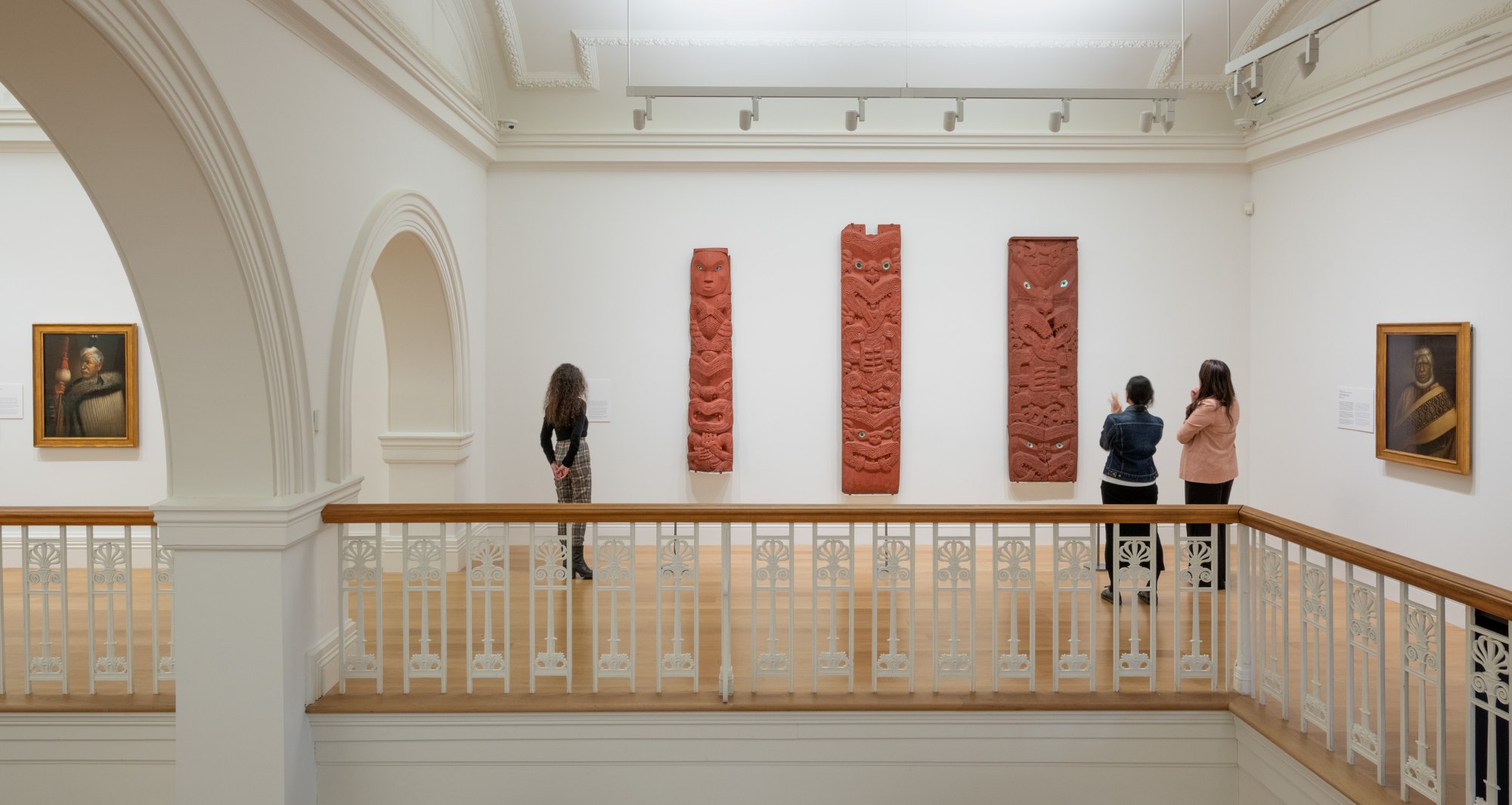
Te Kawau Gallery on level 1 is home to many portraits of tūpuna and other toi that showcase ahurea Māori.
Hītori (History)
Hītori is another kupu mino that is borrowed and adapted from English.
Toi is one of the ways history gets told and retold, through portraiture, through carving, and through works that respond directly to colonisation and its aftermath. A gallery is, among other things, a hītori you can walk through.
Ahurea (Culture)
Ahurea translates to culture, but it also encompasses the values, beliefs, behaviours and practices that shape how we think, decide and work together.
Toi Māori is one of the clearest expressions of ahurea Māori, and the Gallery holds many forms of ahurea in conversation with each other.
Tūpuna (Ancestors)
Few words carry as much weight in toi Māori as tūpuna. Whakapapa (genealogy) and connection to tūpuna run through carving, weaving, portraiture and contemporary practice alike. Many ringatoi Māori describe their work as a way of honouring or continuing conversations with those who came before.
Try a kupu hou this week
Whether you’re just starting out in te reo Māori or well along the way, Te Wiki o Te Reo Māori is a great time to start! Walk through the Gallery, pay attention to the new meanings that emerge, and discover how te reo Māori can deepen your experience of toi and the world around you.
Kuputaka (Glossary)
- Āhua - form/shape
- Ahurea – culture
- Aotearoa – New Zealand
- Aroha – love
- Hapū - subtribe
- Harakeke - flax
- Hītori – history
- Iwi - tribe
- Kaupapa – theme or purpose
- Kupu – word
- Kupu hou – new word
- Kupu mino - loan word
- Manaakitanga - hospitality, respect, generosity
- Peita – paint
- Raranga - eaving
- Ringatoi – artist
- Tae/kara – colour
- Taiao – environment, natural world
- Te ao Māori - The Māori world
- Te reo Māori - the Māori language
- Te Wiki o te Reo Māori - Māori Language Week
- Toi – art
- Toi Māori - Māori art
- Tūpuna – ancestors
- Whakaahua – photograph, image or portrait
- Whakataukī - Māori proverb
- Whare toi - art gallery
- Whenua - land
You may also like
See all stories
5 contemporary Māori artists share their approach to artmaking
9 Jul 2026
Read article
Spring reading: 5 art books on Aotearoa and Moana Oceania to explore
10 Sep 2026
Tamsyn Bayliss
Read article
How to look at art: 7 beginner tips for your next art gallery visit
15 Jun 2026
Read article