Spring reading: 5 art books on Aotearoa and Moana Oceania to explore
Whether you’re an established researcher or just want to get started with learning more about art from Aotearoa and the Pacific, the E H McCormick Research Library has got you covered.
Librarian Tamsyn Bayliss shares a selection of art books to give you the perfect place to start your research on Māori art, Pacific art, whenua, Tongan arts, Papua New Guinea and Moana Oceania collections. You can read these titles in the library from 1pm to 5pm, Wednesday to Friday. Haere mai, we’d love to see you.
Explore whenua, whakapapa and materiality with Raukura Turei
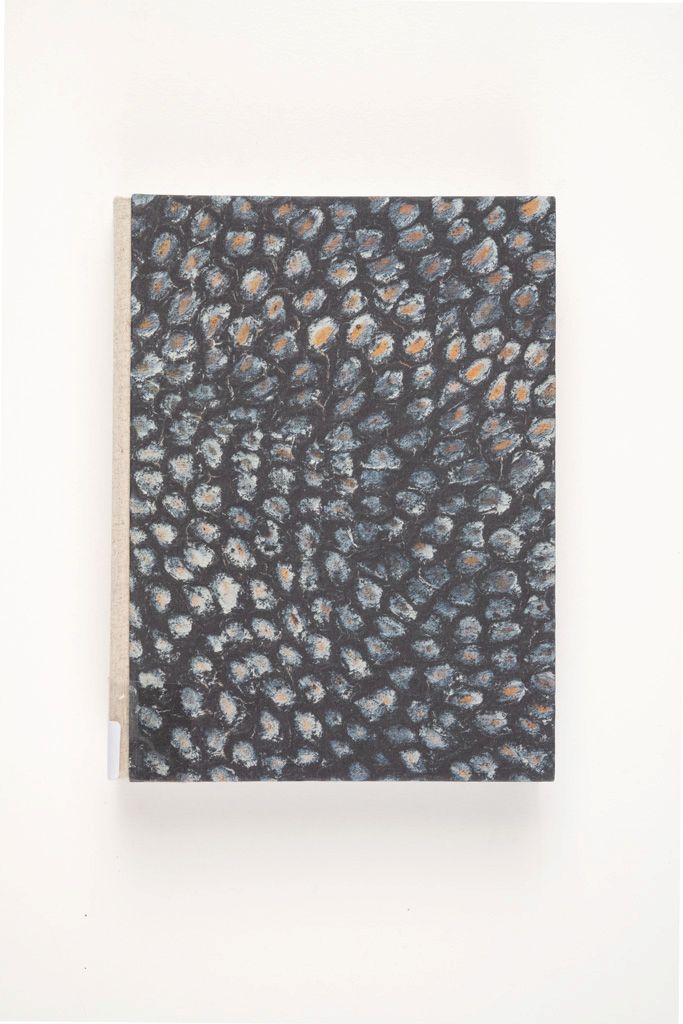
Ask the library for: Raukura Turei: takoto ai te marino: selected works 2018–2025 by Raukura Turei.
Aotearoa New Zealand: Raukura Turei, 2025.
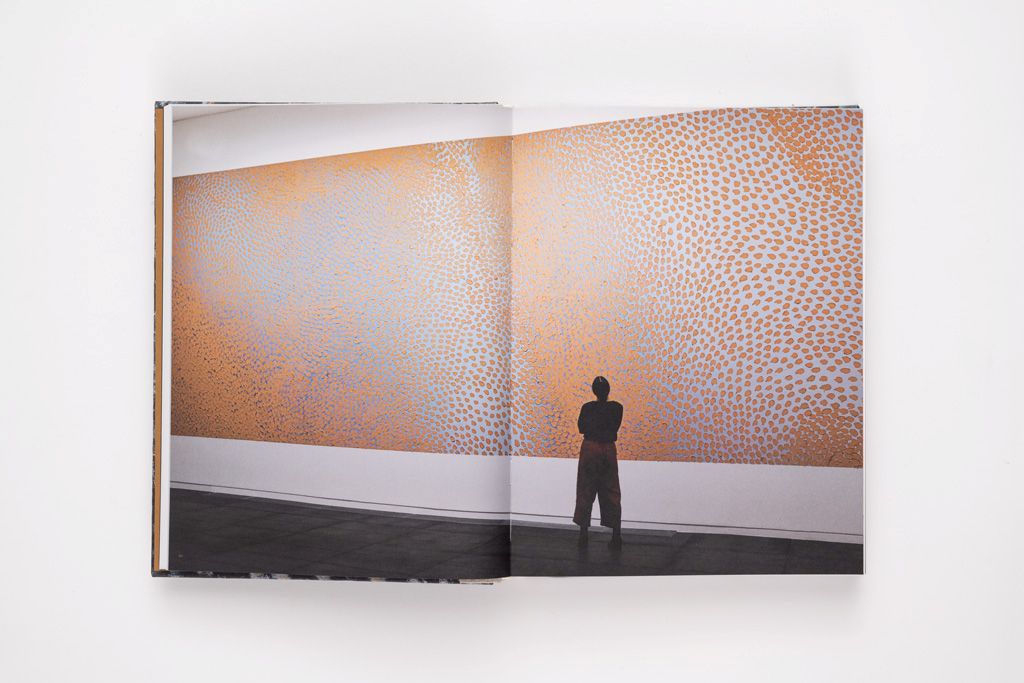
This is the first monograph on Aotearoa artist Raukura Turei (Ngā Rauru Kītahi, Taranaki, Ngāti Pāoa, Ngāi Tai ki Tāmaki). From the textured cloth binding, featuring detail from her artwork Tio, 2021 and through the five chapters dedicated to atua wahine important to Turei’s practice, this book is a rich and insightful embodiment of her artwork, whakapapa and personal concepts and processes.
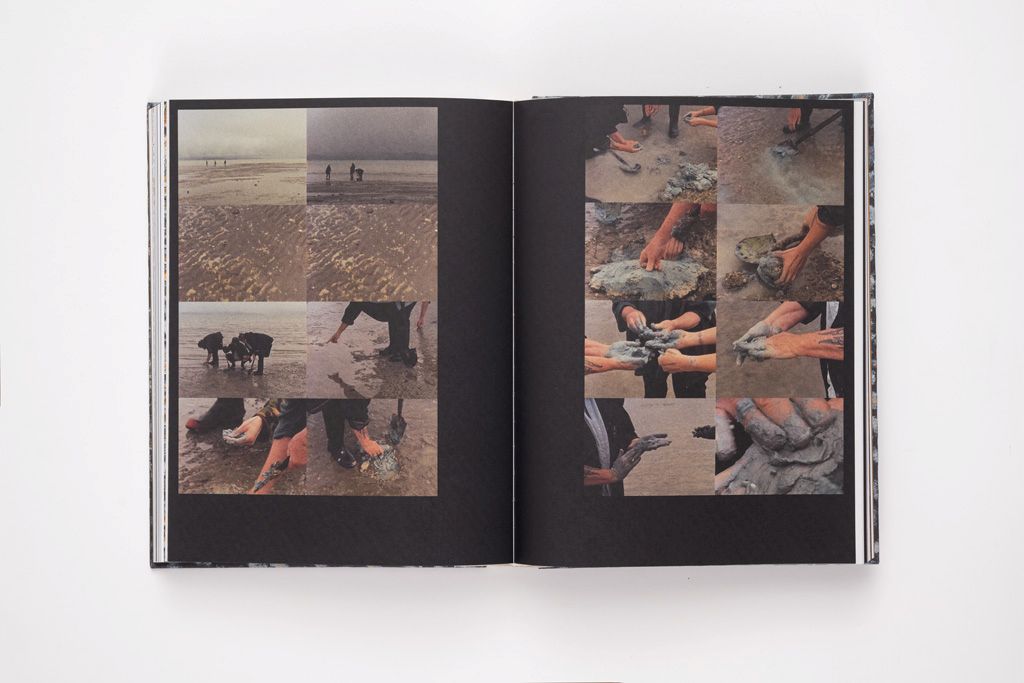
There is a physical and sensory nature to the book, as to her artwork, which is beautifully illustrated throughout the book. The textures, marks and scrapes in her work are captured in detail, with the elements of the whenua’s materiality held on the canvases.
Chapters include a section on He paki kohanga whenua = Anecdotes on gathering, related to the natural materials collected and used in Turei’s work, enriched by childhood memories of visiting places like Te Henga and Whatipu. You can feel the deep connection that contributor Kirsty Baker notes between whenua, tangata and mātauranga in Turei’s work. The artist compares onepū and whenua now to that of her childhood memories of visiting these places.
Immerse yourself in the land and our connection to it
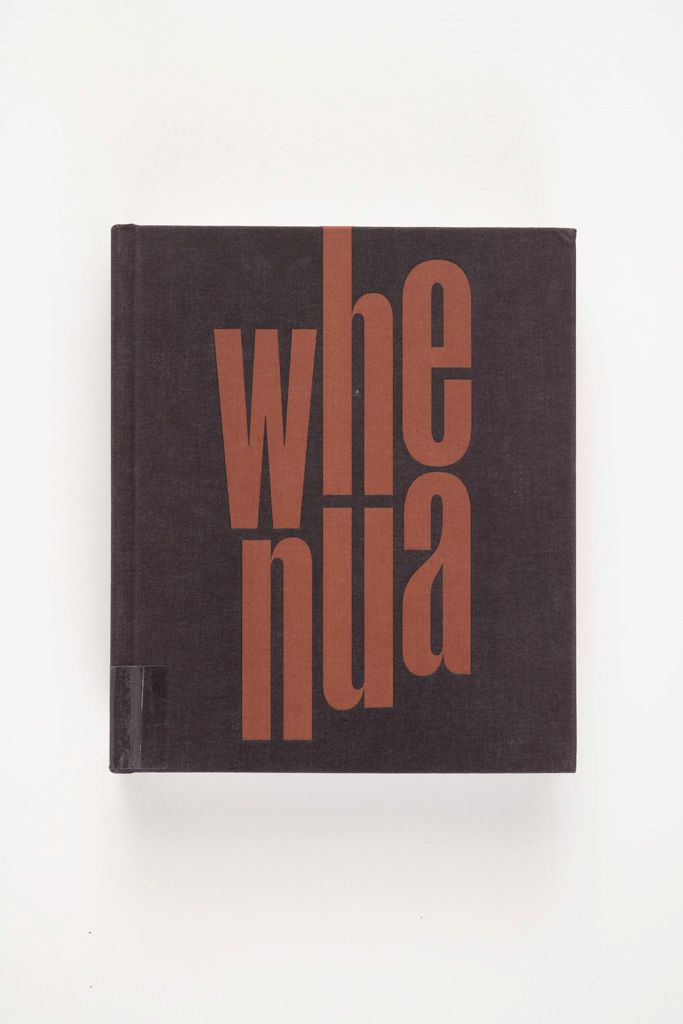
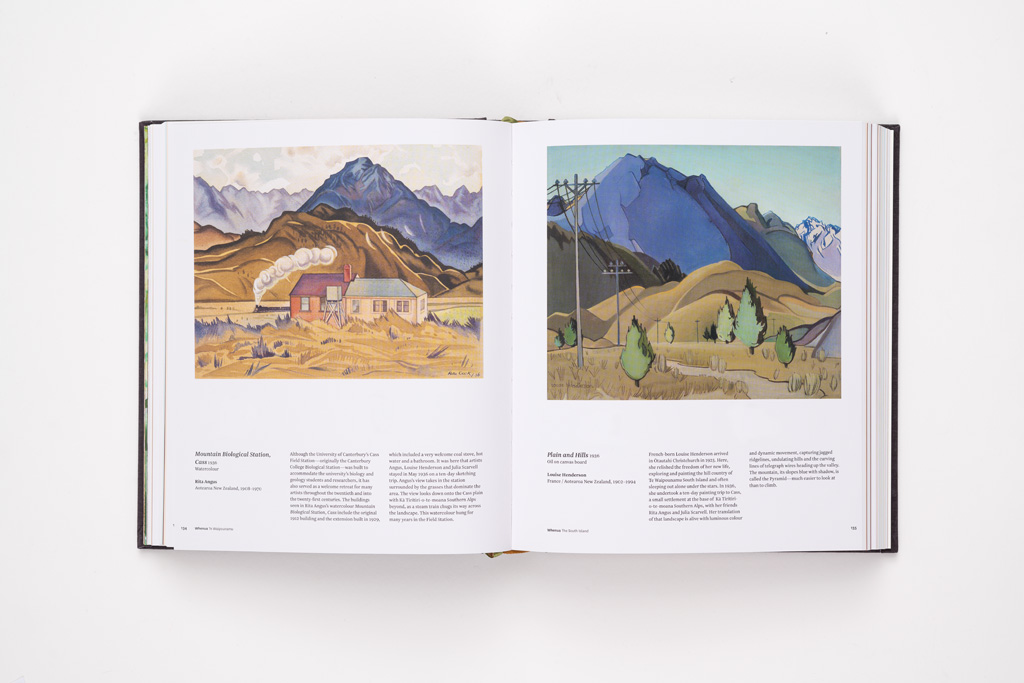
Ask the library for: Whenua from editors Chloe Cull, Felicity Milburn, Melanie Oliver, Sarah Pepperle.
Aotearoa New Zealand: Te Puna o Waiwhetū Christchurch Art Gallery, 2025.
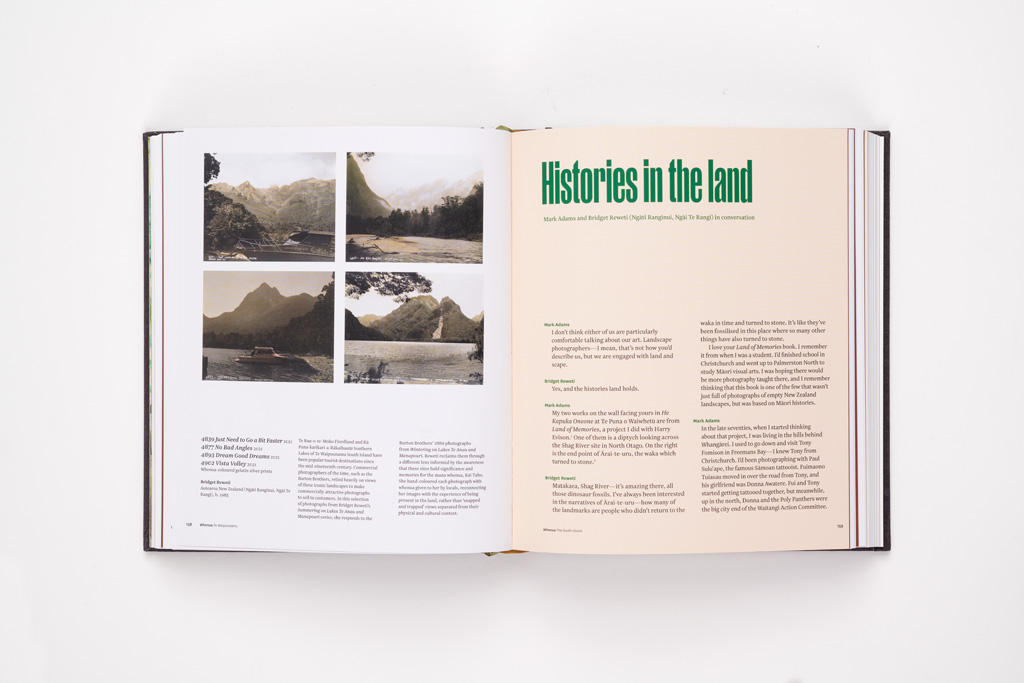
This is another beautifully designed nature-centred publication. It features an impressive breadth of over one hundred artists and numerous contributors. Artworks are mostly selected from Christchurch Art Gallery’s collection by its curators and explore artists’ interpretation of and connection to the whenua of Aotearoa – notably Te Waipounamu, the South Island.
The grandeur of the South Island vista is seen through the eyes of European artists’ landscape paintings of the 19th and 20th centuries, followed by a more progressive modernist lens by Canterbury landscape painters from the mid-20th century
In ‘We will fight on!’, takata (tangata) whenua Māori artists represent and defend the land through the lens of the impacts of colonisation, land loss and activism. Emily Karaka discusses political activism in her paintings and within her life, including involvement with the Artists Against Apartheid group.
Other sections explore connections to whakapapa, harvesting and kai, and the use of whenua as a material for ceramics and as pigments.
Interviews with artists enrich the narratives of the book, such as a conversation between Mark Adams and Bridget Reweti in ‘Histories in the Land’. They discuss the concepts, processes and ‘radical politics’ behind photography based on Māori histories giving depth to ‘empty New Zealand landscapes’, as well as the practicalities of taking photos in the New Zealand wilderness.
As one of the book’s editors Melanie Oliver reminds us, nature is a constant theme in art, and the ways of exploring it are ever evolving and complex, which this book rewardingly explores.
Deep dive into research on Tongan arts, performance and Indigenous knowledge
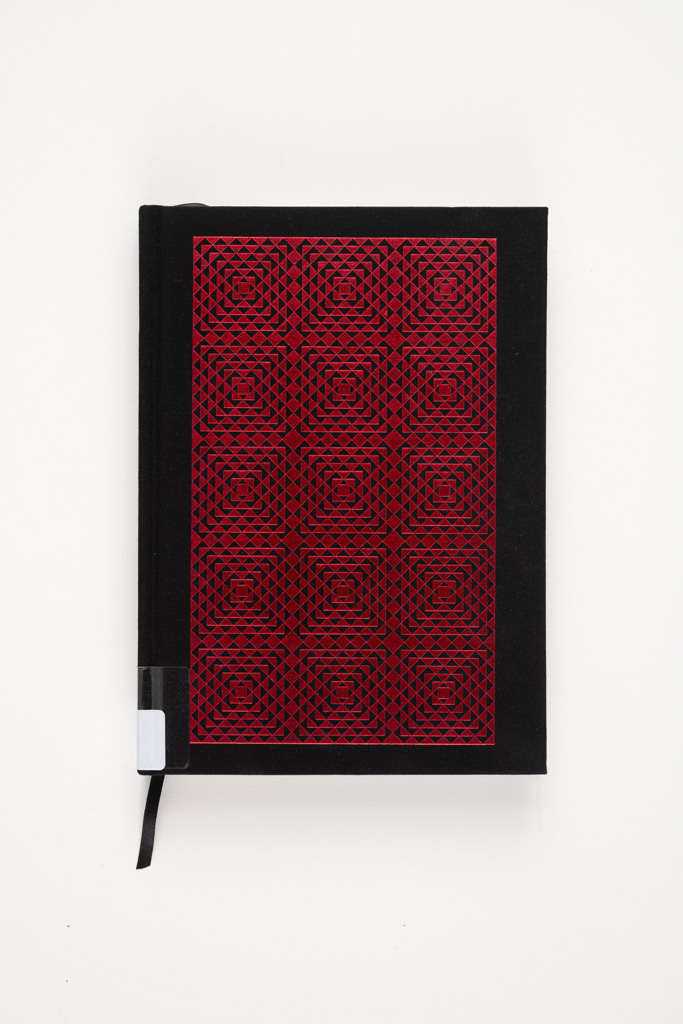
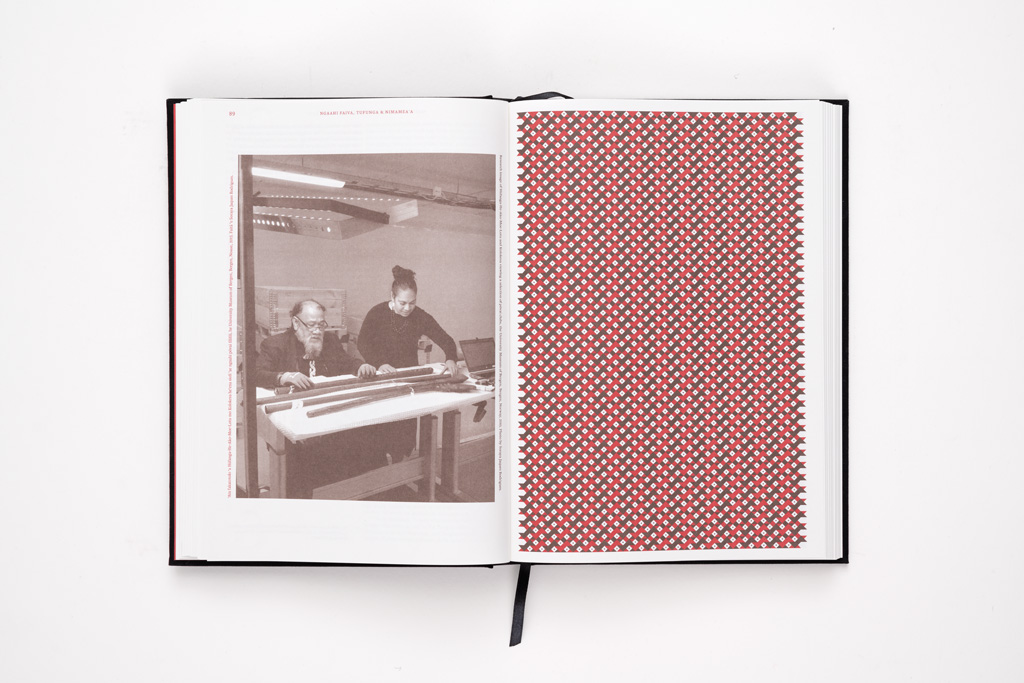
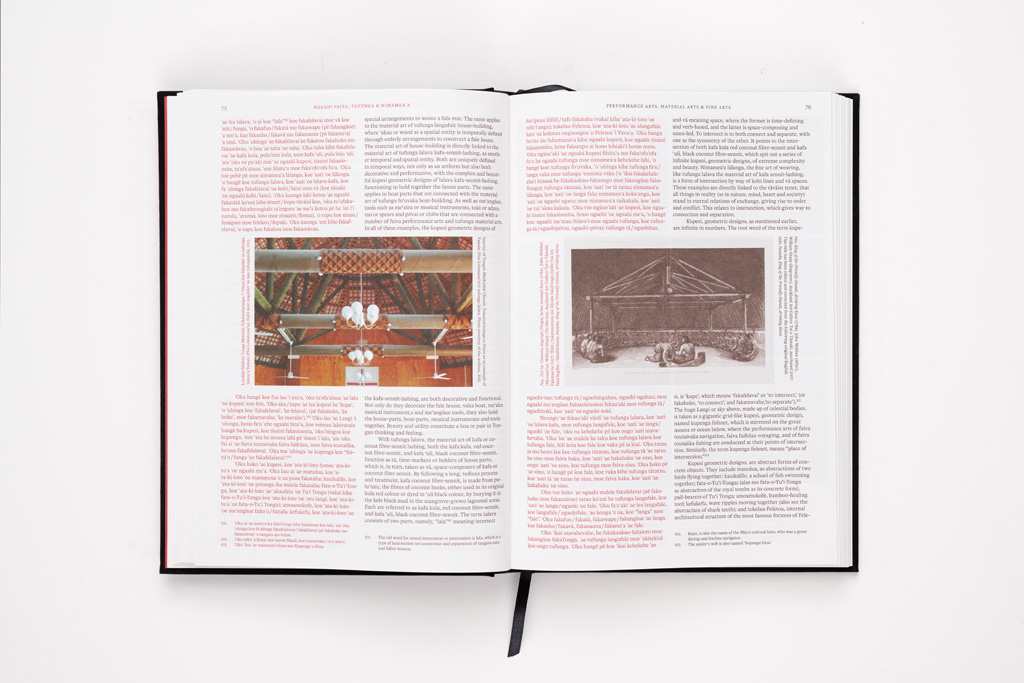
Ask the library for: Sio fakaTonga 'ae 'Aati fakaTonga: faiva, tufunga & nimamea'a fakaTonga (Tongan views of Tongan arts: Tongan performance arts, material art & fine arts) by Kolokesa Uafā Māhina-Tuai, Maui-TāVā-He-Akó, Tēvita O Ka'ili, Hūfanga-He-Ako-Moe-Lotu and 'Ōkusitino Māhina.
Aotearoa New Zealand: Kula-'Uli Publishing (NZ), 2025.
Ten years in the making, this book developed from ongoing research and the intention of decolonising colonised knowledge. The authors’ aim was to create a book ‘utilising our own Indigenous Tongan ways of knowing, seeing and doing’. This is structured through Tā-Vā Time-Space Philosophy of Reality and covering faiva (performance), tufunga (material), and nimamea'a (fine arts). Featuring the work of 41 artists, this book covers a wide breadth of Tongan history, material culture, performance, fine arts, and artists working today.
It follows the authors on research projects at museums around the world and here in Aotearoa, where as knowledge holders they build relationships with colleagues who work with taonga. In 2019, as part of the Visible Voices Research Project initiated by Iokapeta Magele-Suamasi, Kolokesa Uafā Māhina-Tuai and Barbara Makuati-Afitu’s cultural organisation Lagi-Maama came to Auckland Art Gallery Toi o Tāmaki to deliver the pilot recommendations of applying Tongan views to the Gallery’s Tongan arts collection. The focus was the Gallery’s collection of John Webber prints (which feature throughout the book), created from Captain James Cook’s third voyage and expedition. They were able to correct inaccuracies in places and content seen in the images.
As with the other books in this list, this publication has a distinctive and striking design. The binding, design layout and the inner parallel text directly references the Tongan epistemological and aesthetic relationship between the two colours kula (red) and ‘uli (black). A captivating book.
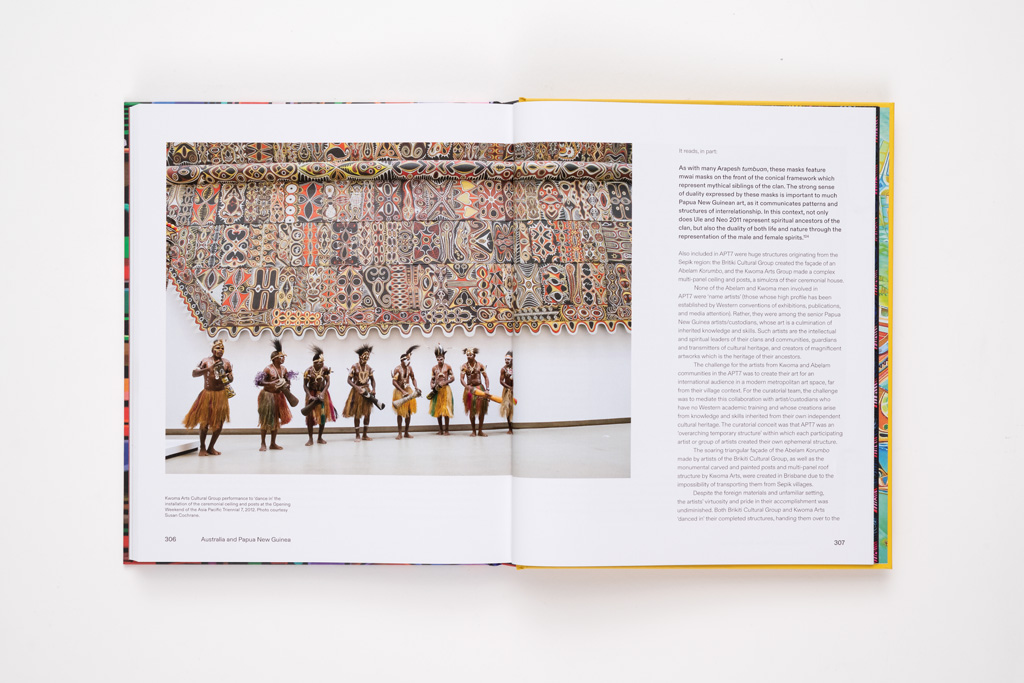
Learn about creative expression and cultural identities across Papua New Guinea
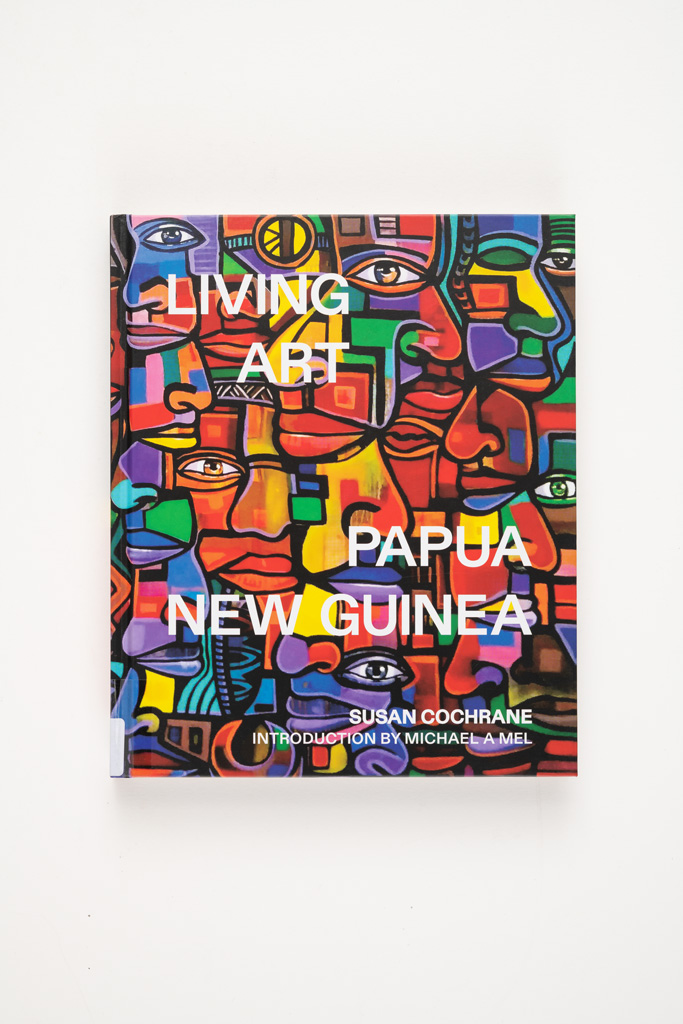
Ask the library for: Living art: Papua New Guinea by Susan Cochrane with foreword by Steven Enomb Kilanda MBE and introduction by Michael A Mel.
Australia: Melbourne Books, 2025.
Dr Susan Cochrane is an Australian/ French researcher, curator and author. This book explores Papua New Guinean artists and their voices in their communities and celebrates Papua New Guinea’s 50th Anniversary of Independence.
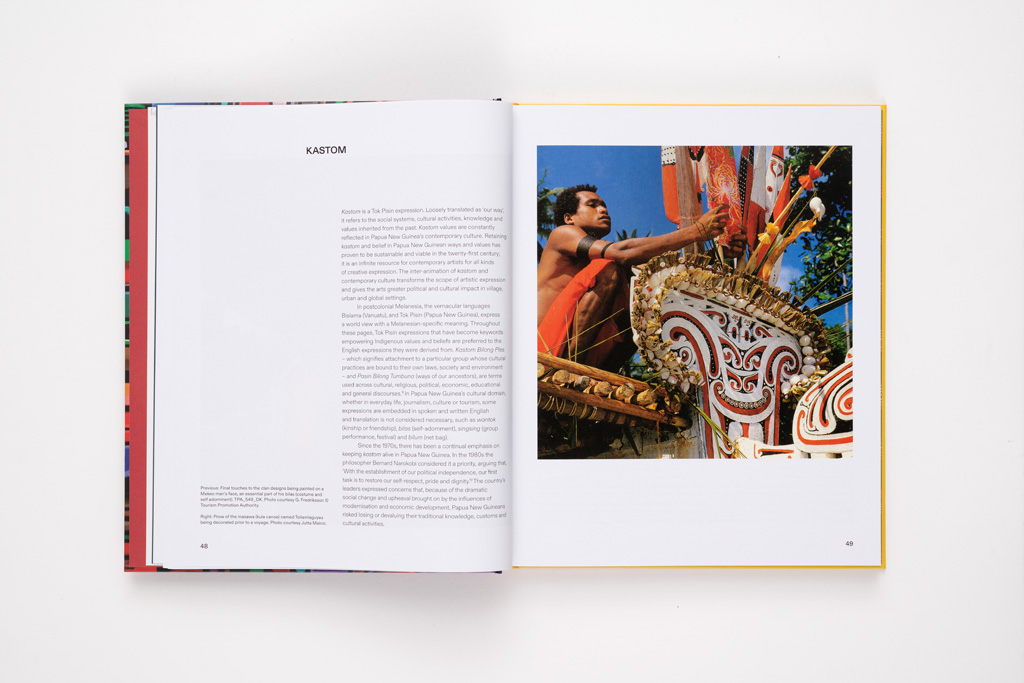
There are three intersecting themes throughout the book widely covering the different regions of the country. Kastom and contemporary culture explores indigenous concepts and the dynamics between past and present. The interconnection between village, urban and global localities is discussed, as well as the importance of indigenous visual language.
Richly illustrated, this book covers multiple forms of creative expression and cultural identities found across the region through dance, self-adornment, fibre arts, festivals and contemporary painting and sculpture. As Cochrane states, the cultural landscape of Papua New Guinea is constantly changing, and this book is a vibrant celebration.
In 2019, Susan Cochrane deposited part of her archive at the E H McCormick Research Library. It is a rich resource of papers, photographs and audiovisual material related to her research into contemporary Pacific art.
Step into the stories of British Columbia’s Museum of Anthropology
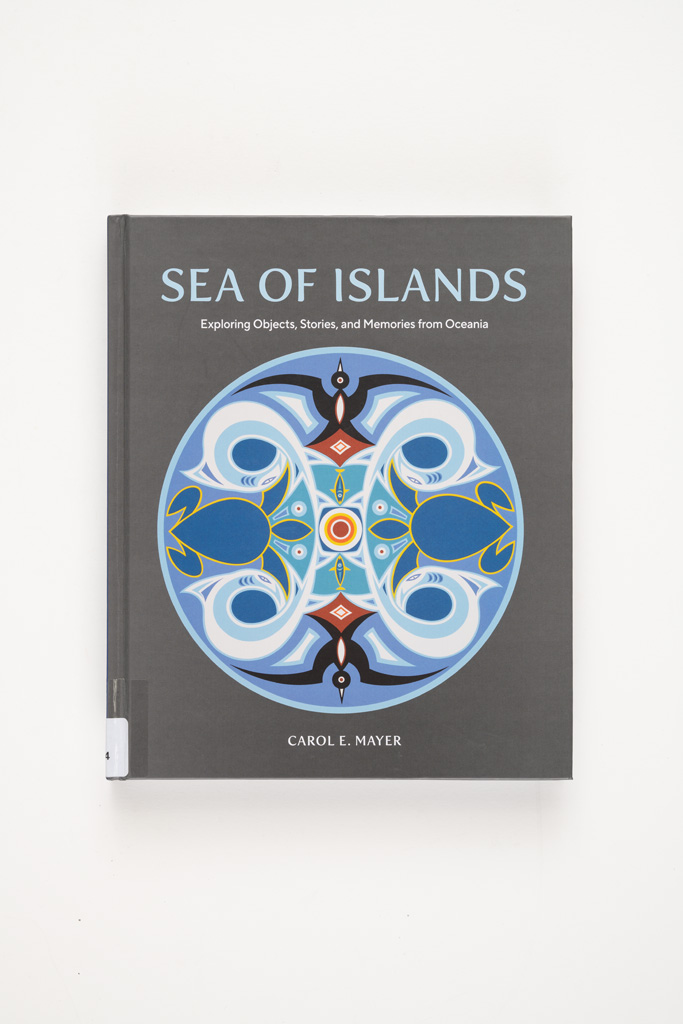
Ask the library for: Sea of islands: exploring objects, stories, and memories from Oceania by Carol E Mayer.
Canada: MoA, 2025.
Carol E Mayer is a Research Fellow-Pacific at the University of British Columbia’s Museum of Anthropology (MoA), and has curated over 50 exhibitions, including on contemporary art in the Sepik River region of Papua New Guinea. The Museum of Anthropology sits on the edge of the Pacific Ocean in Vancouver and has ethnographical collections from around the world.
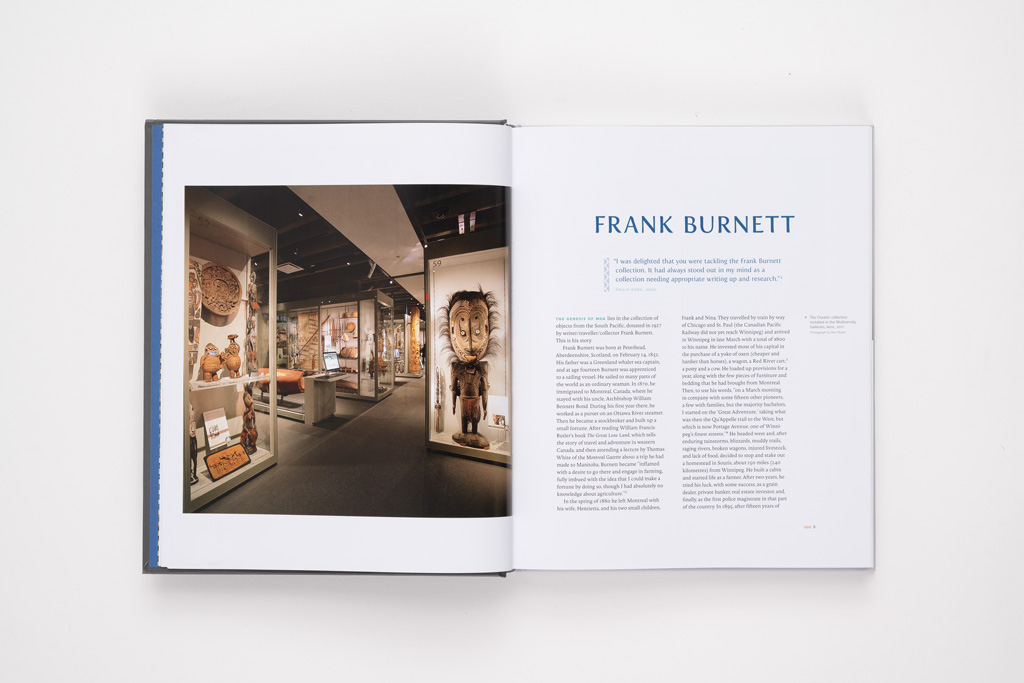
This book seeks to explore the 3500 objects from Moana Oceania in the collection through their stories, journeys and relationships. Mayer explains the collectors’ journeys that helped shape the MoA, particularly Frank Burnett, a Scottish born sailor who immigrated to Montreal in 1870, eventually settling in Vancouver in 1895. Burnett travelled widely, collecting ‘curios’ and photographing and writing about his travels. He gifted his collection to the University in 1927.
The acknowledgements state Mayer’s original purpose was to write a book about Burnett’s story and his Pacific journeys. However, this book feels much more current, lively and rich from telling a much wider story, through many voices including those in the diaspora living in Canada, and from drawing on Mayer’s decades of research and outreach.
Divided mainly into chapters by country, it is a fascinating and insightful journey across the Pacific and the many countries’ histories and stories, artists and collectors.
The Aotearoa section discusses the approximately 146 taonga in the MoA collection, including recent artistic collaborations and repatriations. The chapter thoughtfully concludes with a conversation between two Māori wahine living in Vancouver. Meyer invited them to connect with the taonga Māori held at the MoA, hoping it will enable them to ‘breathe in home’.
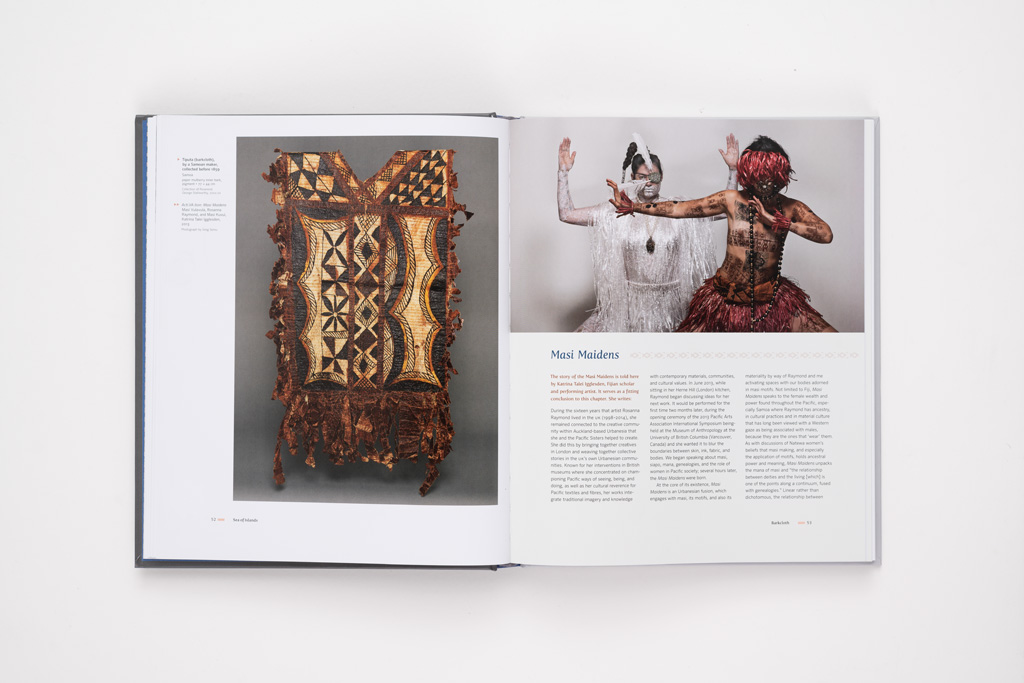
The subject-focused chapter on barkcloth features Masi Maidens (2013) by Katrina Talei Igglesden and Rosanna Raymond, which debuted at the 2013 Pacific Arts Association International Symposium, held at the MoA. Rather than an artwork or performance, this activation connected and enlivened time and space with the ancestors and people inhabiting them. This book is an interesting voyage through a museum’s collections and many peoples’ connection to them.
Ready to start reading?
The E H McCormick Research Library at Auckland Art Gallery Toi o Tāmaki is home to a large range of material on New Zealand and international art and artists. From books and periodicals to archives and digital publications, our specialist fine arts librarians and archivists are available to support you.
Drop into the library on our mezzanine floor from 1pm to 5pm, Wednesday through Friday to discover something new.