Lindauer and He Whakaputanga
Explore how Gottfried Lindauer’s portraits of rangatira Māori connect the history of He Whakaputanga with the stories of some of those he portrayed.
Image credit: John Kinder, Waitangi from Busby's Victoria, 1864, watercolour, Auckland Art Gallery Toi o Tāmaki, gift of Harry Kinder, 1937.
He Whakaputanga o te Rangatiratanga o Nu Tireni, known in English as the Declaration of Independence of the United Tribes of New Zealand, represents a pivotal moment in Aotearoa New Zealand’s constitutional history.
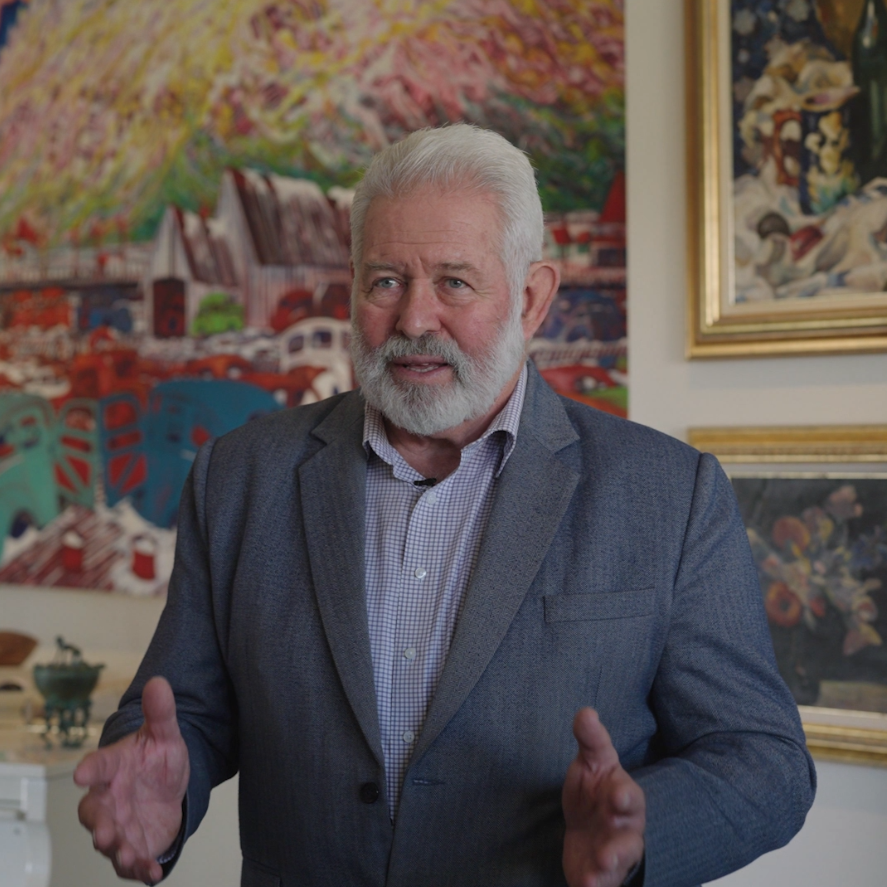
He Whakaputanga was a formal declaration of Māori sovereignty to the world. It was signed by 52 rangatira between 1835 and 1839. The declaration followed an earlier appeal to the British Crown for protection. In 1831, 13 Ngāpuhi chiefs wrote to King William IV of the United Kingdom, seeking an alliance and protection from other powers. As Dr Mānuka Hēnare explains in He Whenua He Rangatira, 34 northern rangatira gathered at James Busby’s residence in Waitangi on 28 October 1835 to sign He Whakaputanga. This date is commemorated each year. Subsequently another 18 rangatira signed.
When rangatira later signed Te Tiriti o Waitangi on 6 February 1840, many understood it as affirming and continuing the intentions of He Whakaputanga. Together, the two documents express assertions of tino rangatiratanga and Māori sovereignty to the world. Dr Moana Jackson describes He Whakaputanga as a precondition to Te Tiriti. Similarly, Ngāpuhi leader Hone Sadler emphasises in Ngāpuhi Speaks that Te Tiriti must be understood in the context of He Whakaputanga. To put it simply, you cannot have one without the other.
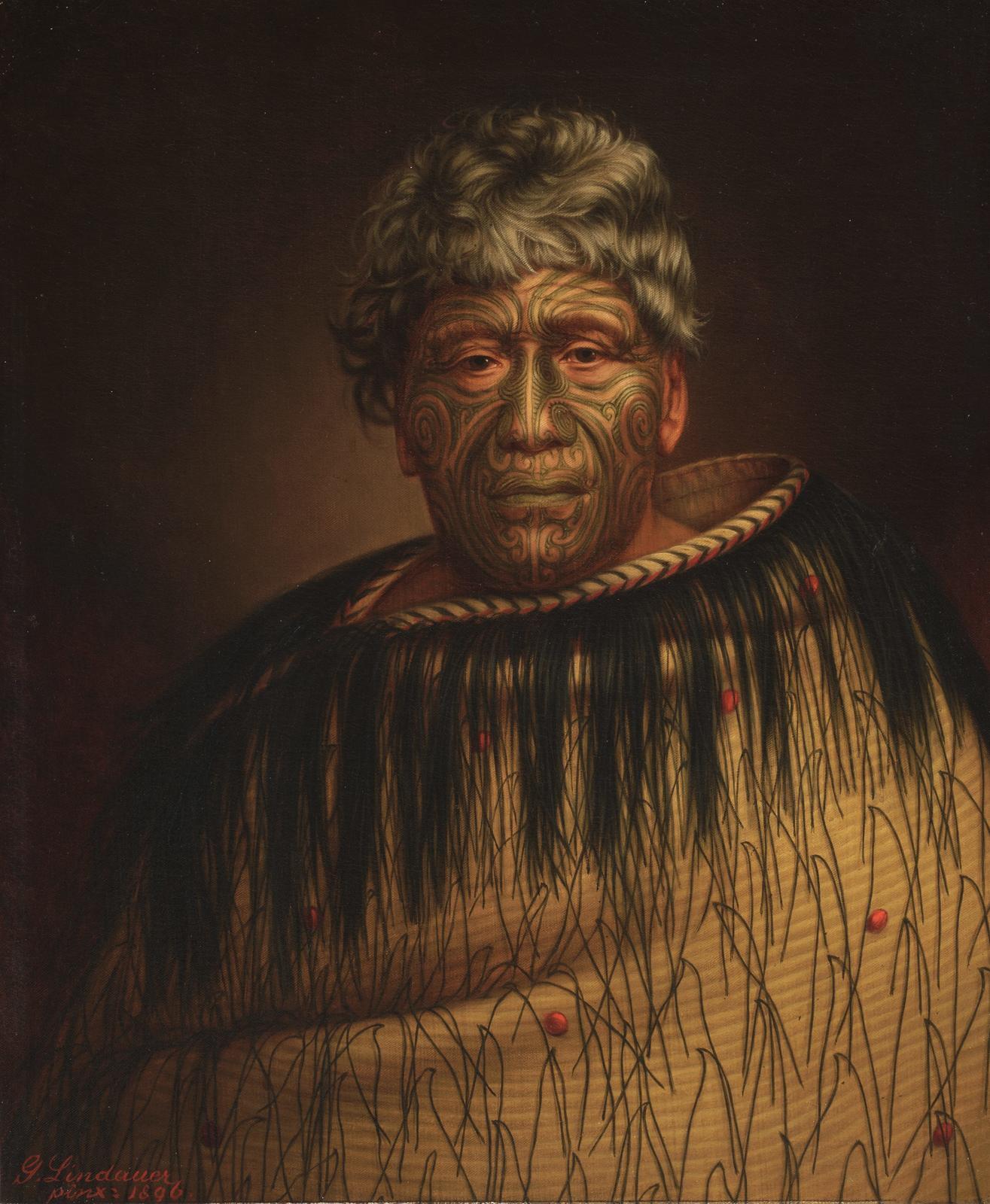
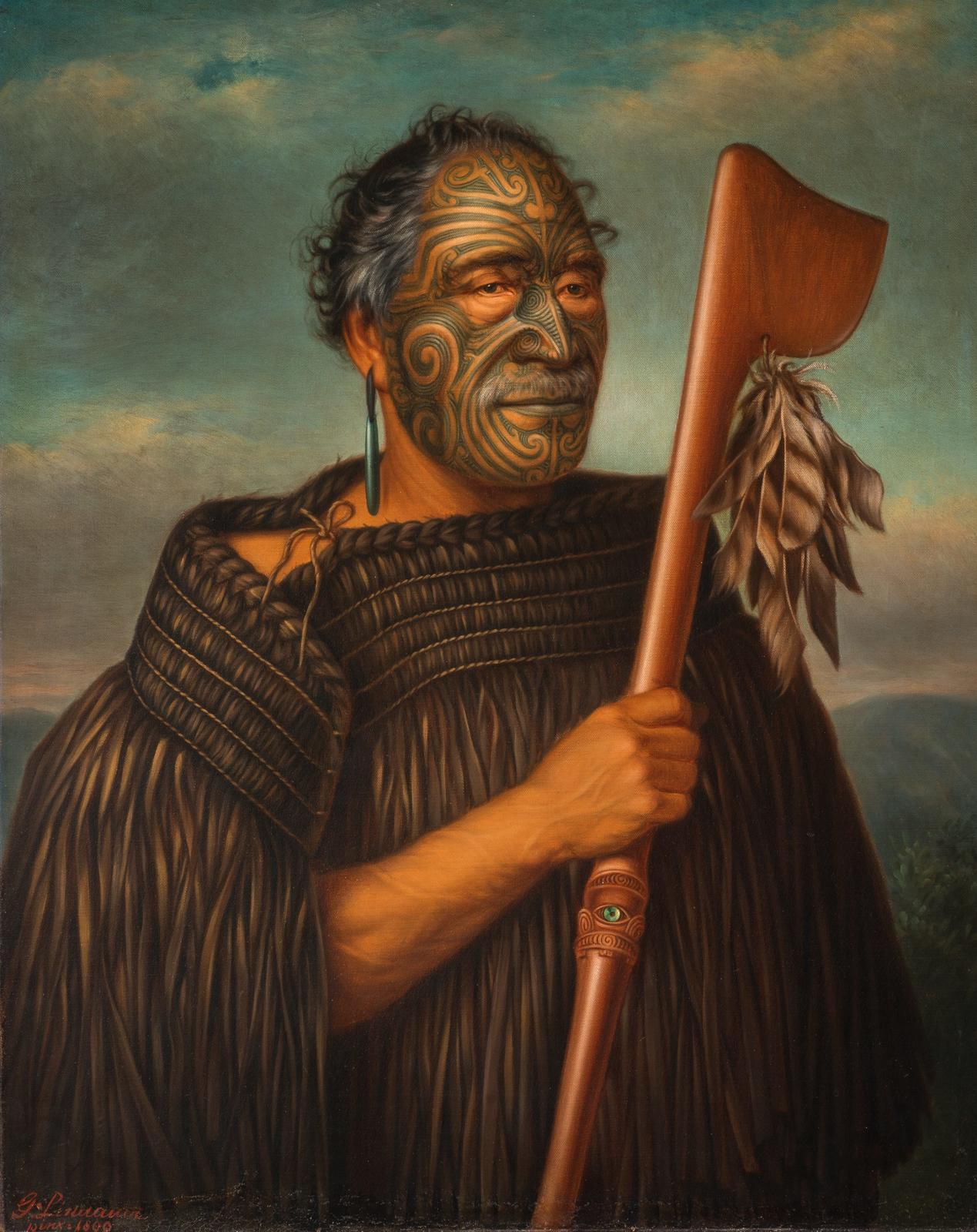
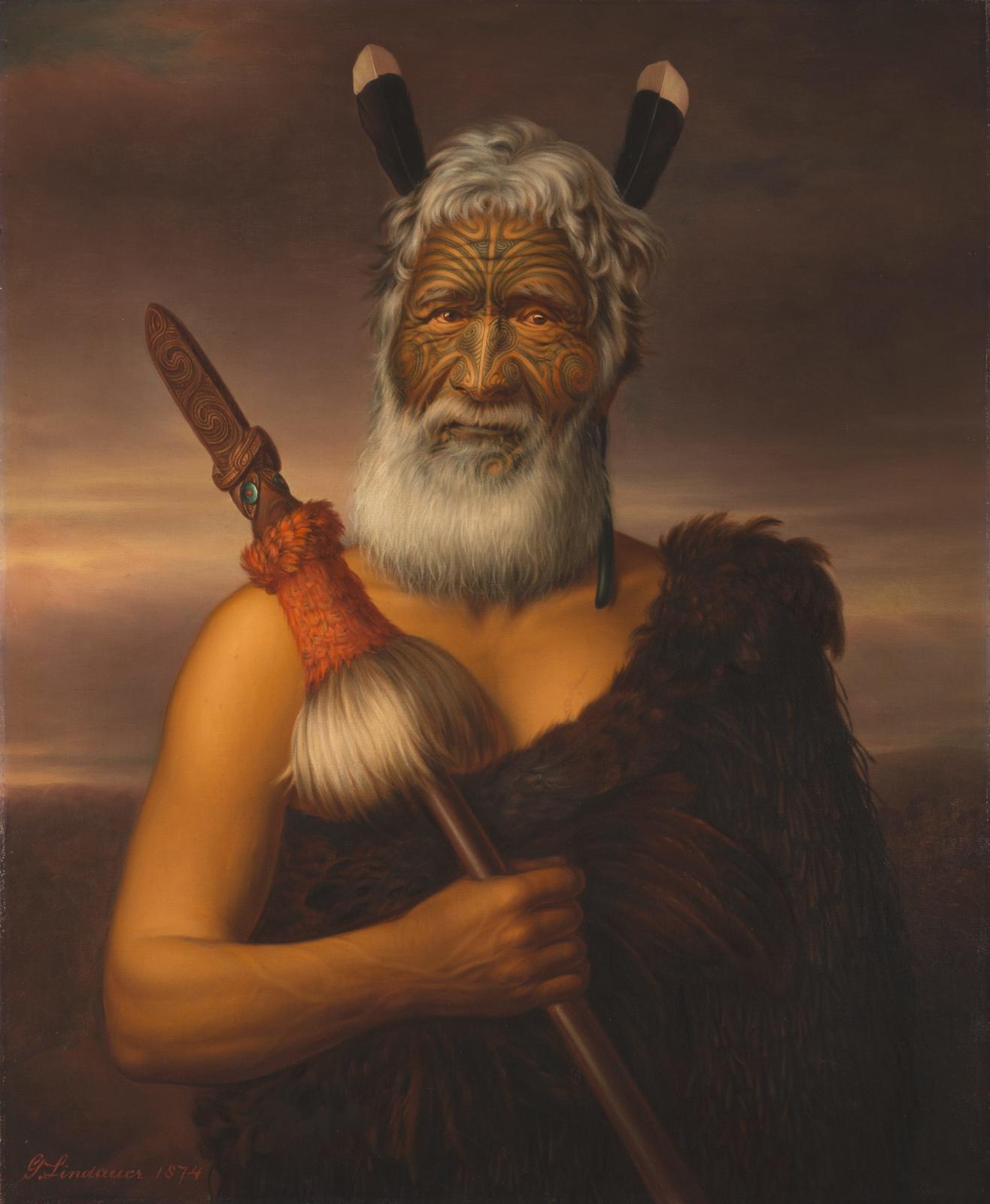

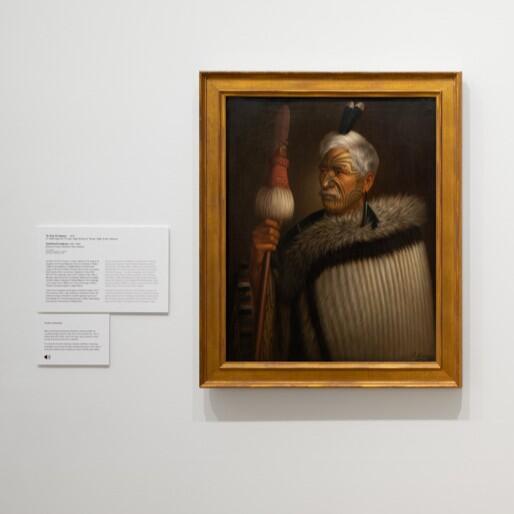
All known signatories of He Whakaputanga were male. However, up to 18 wāhine Māori have been identified as signing Te Tiriti in 1840, demonstrating that Māori women did exercise political authority within certain iwi and hapū, and there may be others whose names are not known or seen. Among the tūpuna who signed He Whakaputanga, four were portrayed by Gottfried Lindauer over 40 years later: Pōmare II, Tāmati Wāka Nene, Eruera Maihi Patuone and Te Hāpuku.
Today, many hapū, particularly in the north, continue to regard He Whakaputanga as the founding constitutional document of Aotearoa New Zealand. The original document is held at the National Library of New Zealand in Wellington, where it forms part of the permanent He Tohu exhibition.
Who was Gottfried Lindauer?
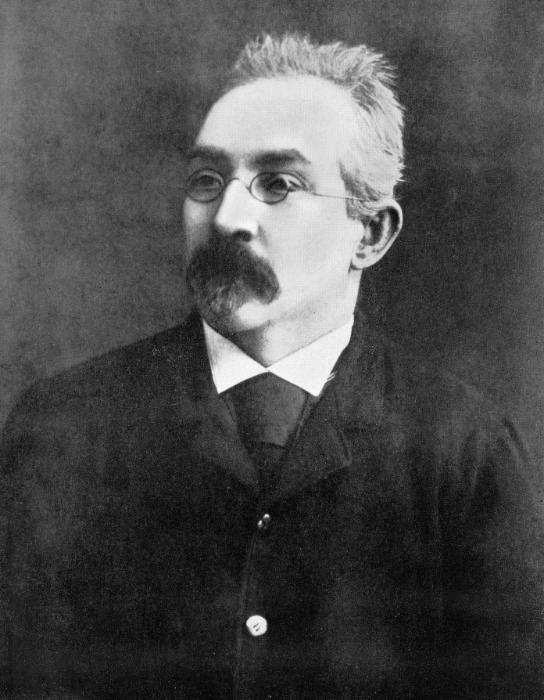
Photographer unidentified, Gottfried Lindauer, c 1899,
b&w photo-mechanical print, Alexander Turnbull Library.
Gottfried Lindauer was a Bohemian-born painter who became one of the most prolific and widely recognised portraitists of Māori in Aotearoa. His portraits of tūpuna remain significant to whānau, hapū and iwi today, offering descendants a way to connect with their ancestors across generations.
Lindauer arrived in Aotearoa in 1874, having trained as a private pupil with Professors at the Academy of Fine Arts in Vienna before establishing himself as a portraitist in Pilsen, in what is now the Czech Republic. As Curator, Historical New Zealand Art Dr Jane Davidson-Ladd notes, there has long been speculation about his use of photography, but some people believe that he painted from life. Research undertaken by Auckland Art Gallery conservators and curators has definitively shown that Lindauer worked from photographs for all of his portraits, using them in place of working drawings or the need to have a sitter physically present.
Lindauer’s portraits were commissioned by both Māori and Pākehā. In 1901, Czech journalist Josef Kořenský reported that Lindauer had painted around 1000 portraits, including 200 Māori sitters. Although this figure is difficult to verify, it gives an indication of the scale of his practice at that point in time. We also need to remember that he continued to paint until about 1918, so this number would have grown substantially. His Pākehā portraits formed a significant part of his work, although they remain much less widely known today.
Although Henry Partridge and Walter Buller are often remembered as Lindauer’s principal patrons, many Māori also commissioned portraits of themselves or of their own tūpuna. As art historian Dr Roger Blackley argued, while Partridge and Buller are consistently described as Lindauer’s greatest patrons, his most important patron was, in reality, the Māori world at large.
This history matters when we consider the portraits today.
How did the Lindauer portraits come to Auckland Art Gallery Toi o Tāmaki, and what do they mean to us today?
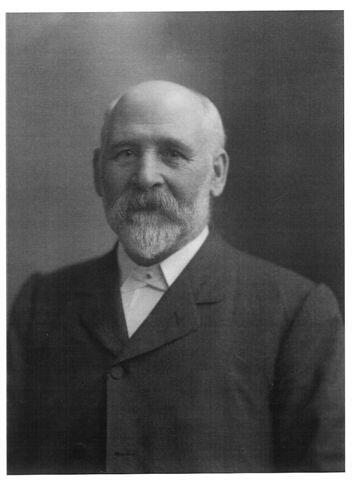
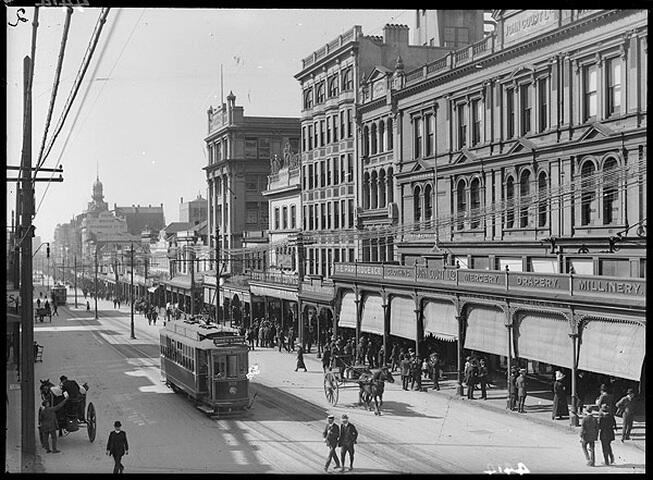
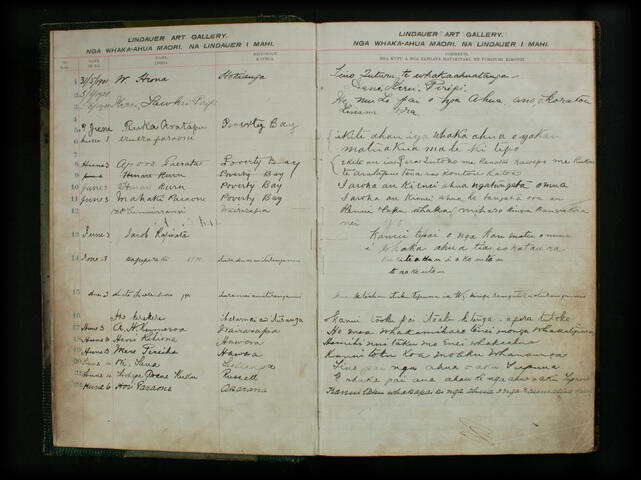
Many of the Lindauer portraits now held by Auckland Art Gallery Toi o Tāmaki came into the collection through Henry Partridge, an Auckland businessman and tobacco importer who began commissioning and collecting the paintings from the mid-to-late 1870s. In 1901, he opened the Lindauer Art Gallery above his Queen Street shop, making the portraits available for people to see. He later gifted his collection to Auckland Art Gallery, forming the foundation of its Lindauer holdings. Other portraits have since entered the collection through gifts, bequests, purchase and loan.
The story of how these portraits came to the Gallery is only one part of their history. Just as important are the stories of the tūpuna and their descendants who continue to seek connections with their tūpuna, and the relationships that have developed between the Gallery and Māori communities over time.
For the Gallery, the portraits are an important body of 19th-century portraiture, offering insight into Lindauer’s practice and the visual history of colonial Aotearoa. But for many Māori, seeing the face of a tupuna can be a deeply personal and spiritual experience, especially for those who may have never seen the face of their ancestor before, or who are still learning their whakapapa (genealogy).
Māori have expressed their appreciation for these portraits for more than a century. Visitors to the Lindauer Art Gallery in 1901 recorded their responses in the Gallery’s Visitors’ Book, preserving a valuable record of how the portraits were received by Māori at the time. These accounts, available through the Gottfried Lindauer website in in their original reo and English translation, remind us that the significance of the portraits was recognised by Māori from the beginning of their public exhibition.
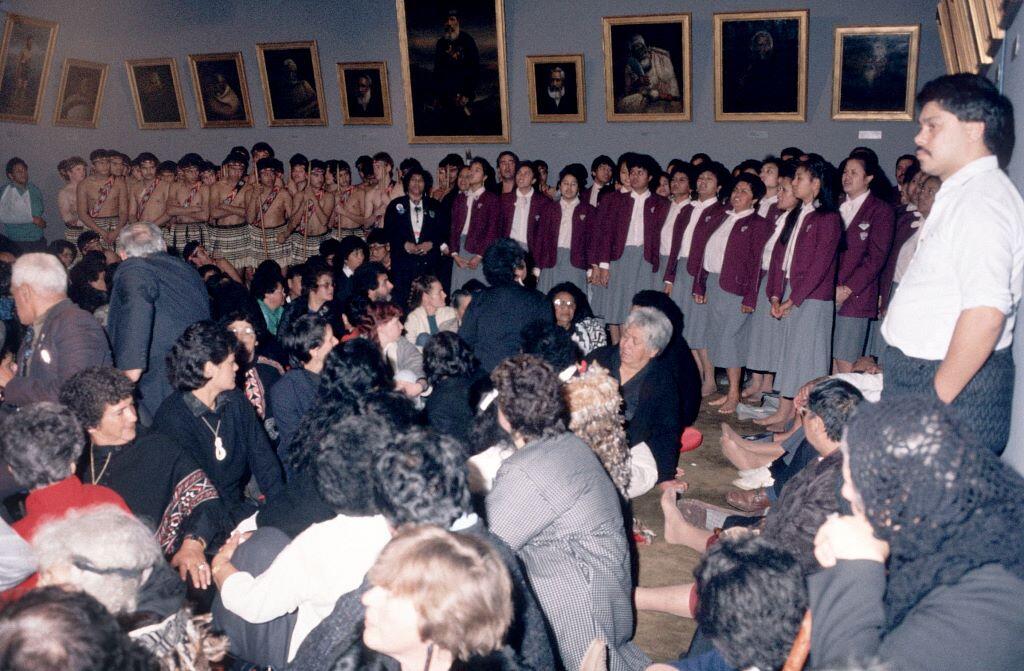
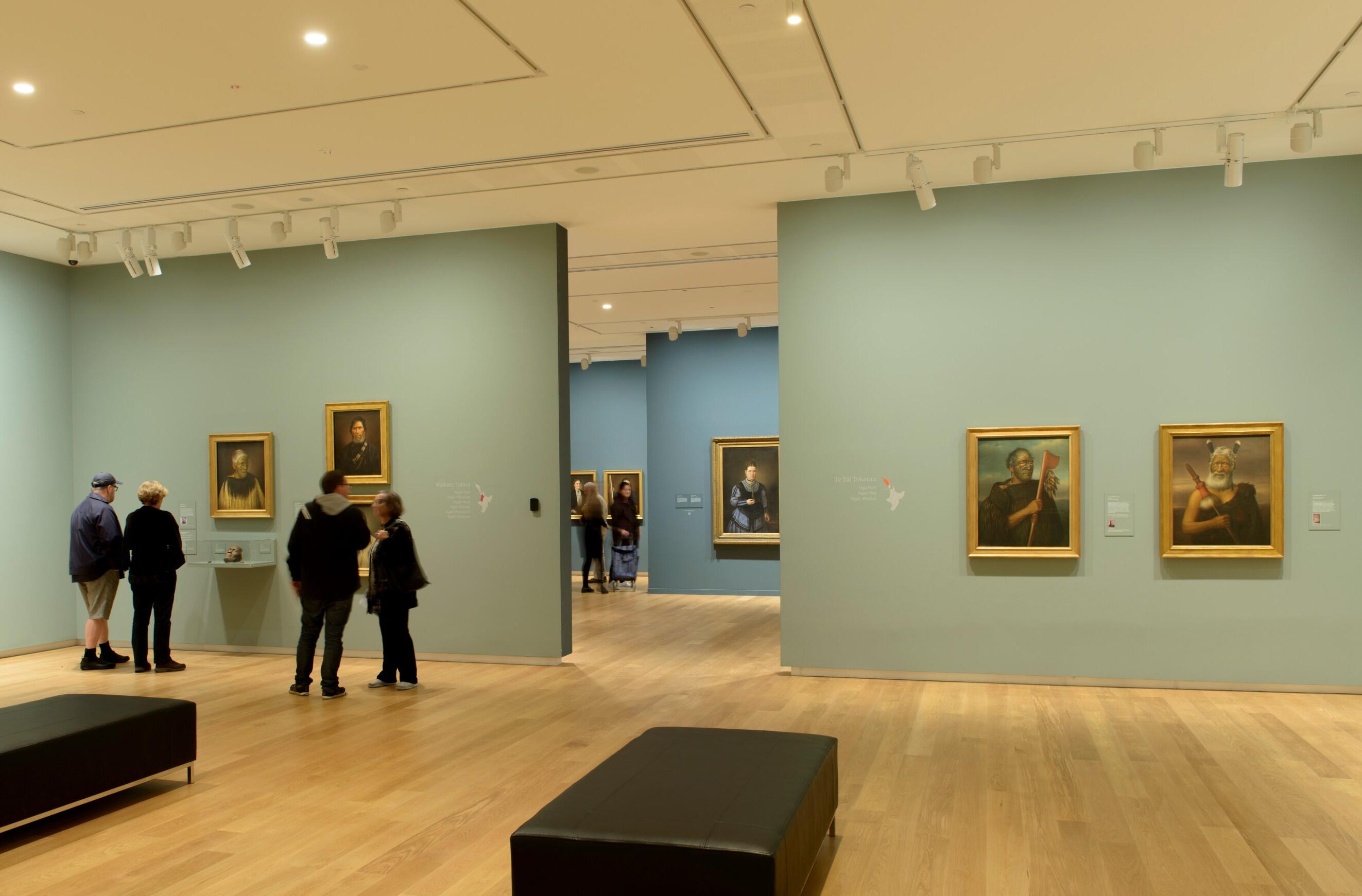
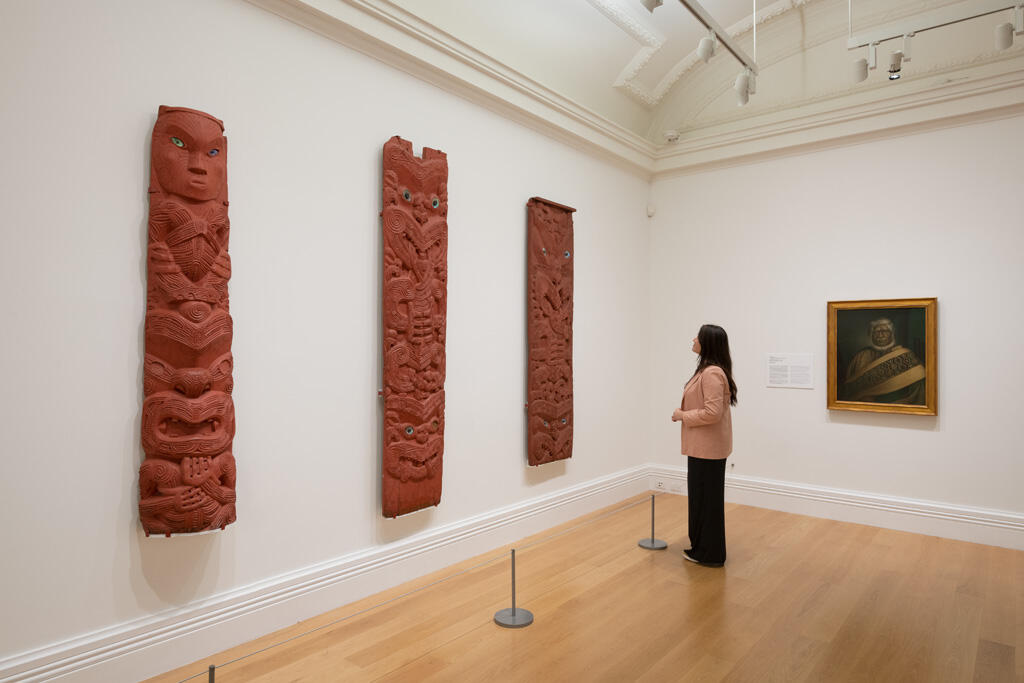
It was also through Māori responses to Te Maori: Te Hokinga Mai – The Return Home in 1987 that Auckland Art Gallery began to develop a deeper understanding of the portraits’ significance within te ao Māori. These encounters helped shift the way the Gallery understood its collection, recognising that the portraits were taonga with cultural and personal significance.
Tikanga Māori shapes how the Gallery cares for the portraits today and informs their display and handling, including the use of karakia in the exhibition space. The karakia reflects the importance of acknowledging a Māori worldview in relation to those who have passed, and the tapu (sacredness) of the space where these portraits hang, as visitors move between the two worlds.
The Gallery also recognises the importance of maintaining relationships with descendants. Reproductions of portraits are permitted only in consultation with descendants, and the Gallery is currently updating portrait titles to prioritise the names by which the subjects are known to their uri (descendents), rather than retaining as the primary title the names given to them by the artist.
Descendants who wish to view a portrait of their tupuna that is not currently on display are welcome to contact the Gallery. At least six weeks’ notice is requested, as works held off-site need to be brought to the Gallery for a private viewing.
These practices reflect an ongoing responsibility to the people whose tūpuna are represented in the collection. The portraits connect the Gallery to whānau, hapū and iwi, and remind us that the stories they hold do not belong to the past alone. They continue to live through the descendants who remember, recognise and care for their tūpuna today.