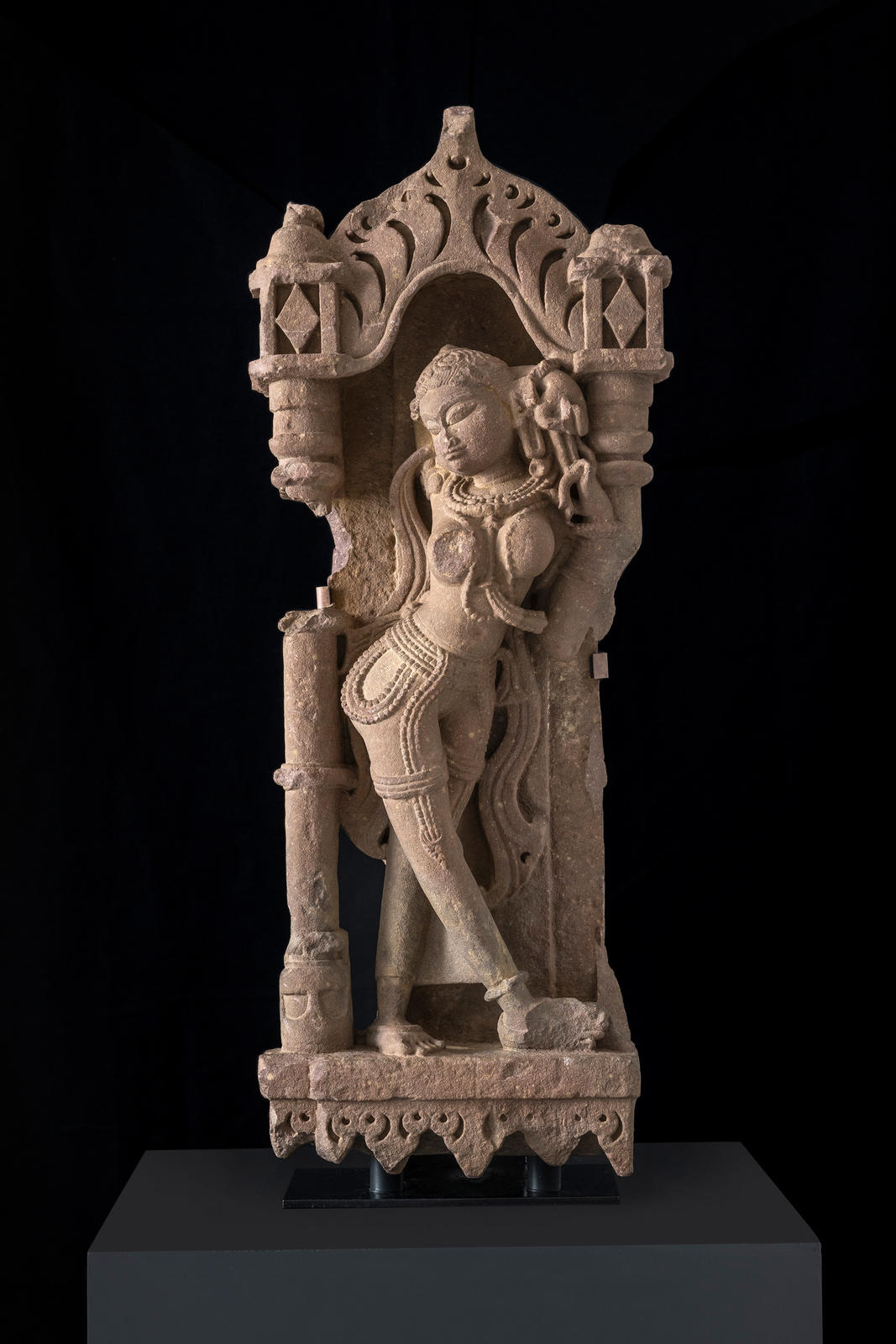
Artwork Information
An apsara is a heavenly dancer and celestial maiden who accompanies the gods in Hindu mythology. Their statues are thought to bring great luck to sacred monuments. Featuring prominently in sculpture, dance, literature and painting from India, Indonesia, China and Cambodia, apsaras are thought to personify the performing arts. This sensual, sandstone figure came from the walls of a Hindu temple at Khajuraho in North India. She stands relaxedly in a tribhanga pose, a gentle, curving S-shaped stance constituted by three bends in the body at the neck, waist and knee. This posture is considered one of the most graceful and sensual of the positions in the Odissi, a major Indian classical dance that originated in the Hindu temples of Odisha, an eastern coastal state of India. Her lyrical curves evoke the lilting rhythm of music and dance. Kama (desire, longing or enjoyable experience) is a central tenet of Hinduism and is considered an integral part of spirit and creation.
- Artist
- Unknown artist
- Title
- Apsara
- Production Date
- 10th century-12th century
- Medium
- pink sandstone
- Dimensions
- 787 x 317 mm
- Credit Line
- Auckland Art Gallery Toi o Tāmaki, purchased 1970
- Accession No
- 1970/17/1
- Copyright
- No known copyright restrictions
- Department
- International Art
- Display Status
- Not on display
More by Unknown artist (12)
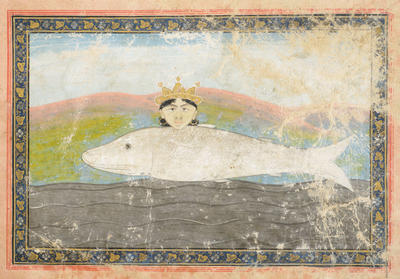
Matsya, the first incarnation of Lord Vishnu
1780
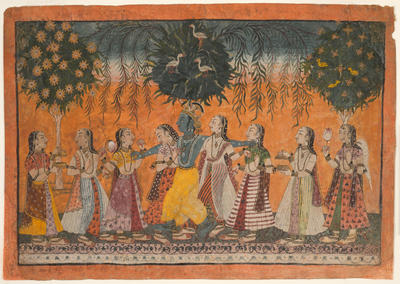
Krishna and the Gopis
19th century
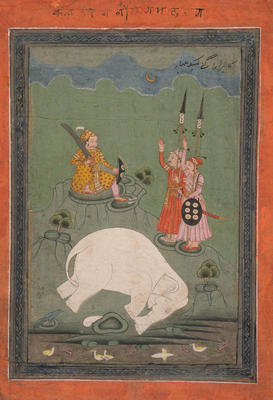
Death of a White Elephant (Kanada Ragini)
late 18th century
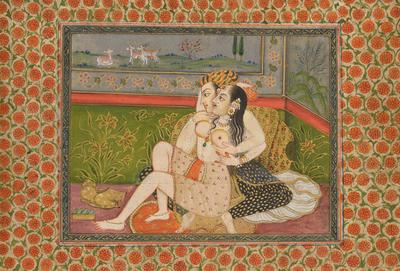
Couple embracing
18th century-19th century
Explore Connections (4)
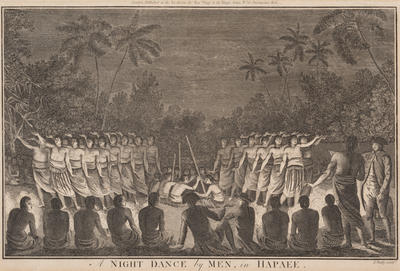
Dancers
86 Artworks

Dance
111 Artworks

Women
1863 Artworks
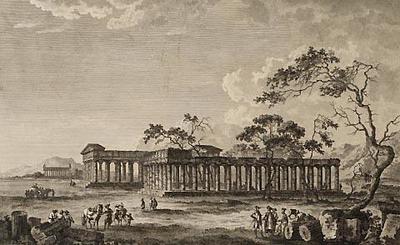
Temples
60 Artworks