Artwork Information
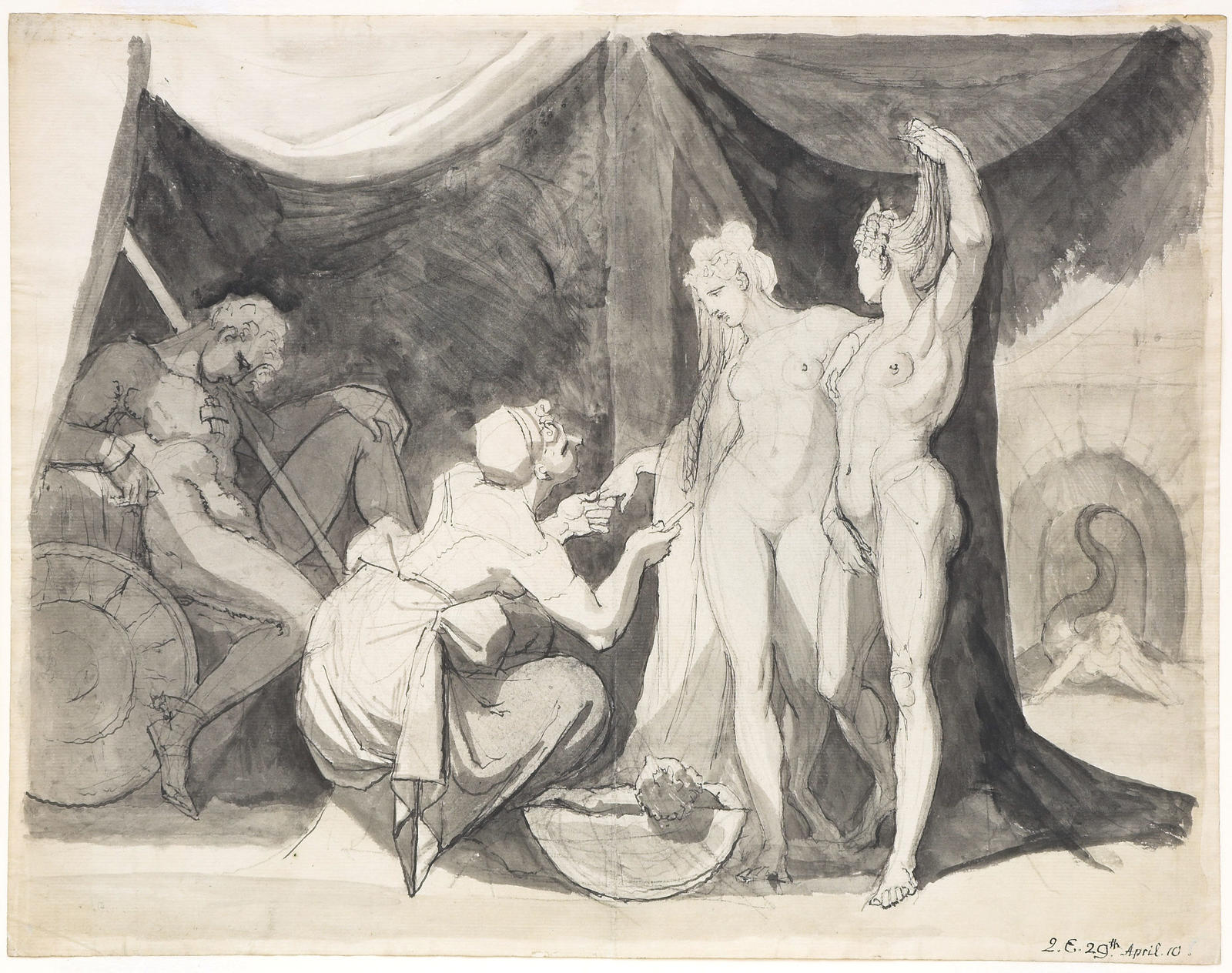
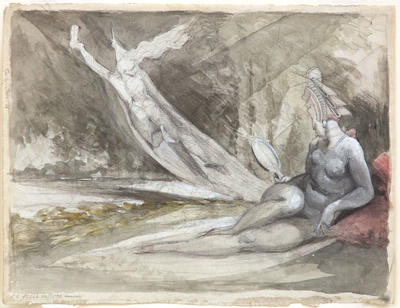
In Edmund Spenser’s The Faerie Book II, Acrasia represents Intemperance, and her ‘Bower of Bliss’ is the honey trap in which she transforms her prey into monstrous animals. Sir Mordant is shown in a state of trance, awaiting his fate. Fearful of what may happen, his wife Amavia entrusts her newborn child Lucina to Diana and Juno, divine protectors of women and infants. Although she then restores her husband, the seductive Acrasia (seen here in the form of a mermaid) goes on to poison him, and overcome with grief, Amavia takes her own life.
- Artist
- Henry Fuseli
- Title
- Amavia finds her knight, Sir Mordant, bewitched in Acrasia's Bower of Bliss
- Production Date
- 1810
- Medium
- pencil pen with grey wash
- Dimensions
- 310 x 398 mm
- Credit Line
- Auckland Art Gallery Toi o Tāmaki, purchased 1965
- Accession No
- 1965/75
- Copyright
- No known copyright restrictions
- Department
- International Art
- Display Status
- Not on display
More by Henry Fuseli (51)
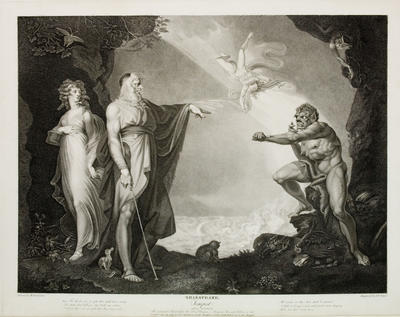
Shakespeare: Tempest, Act I, Scene II
1797
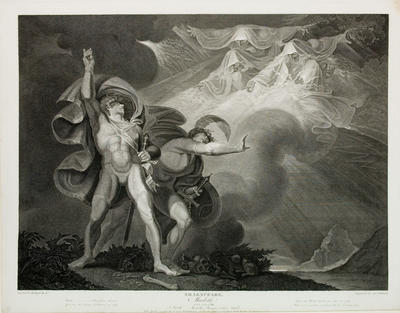
Shakespeare: Macbeth, Act I, Scene III
1798
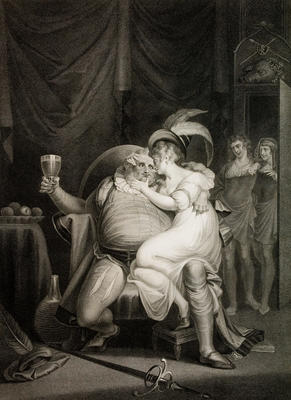
Shakespeare: Second Part of King Henry the Fourth, Act II, Scene IV
1795
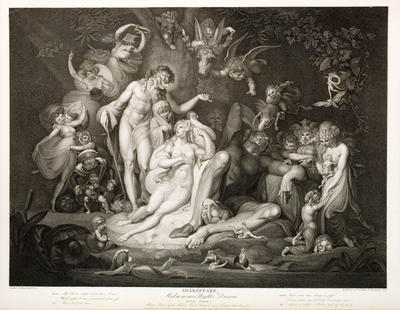
Shakespeare: Midsummer-Night's Dream, Act IV, Scene I, Oberon, Queen of the Fairies, Puck, Bottom and Fairies attending
1803
Explore Connections (4)
Nudes
341 Artworks
Mythology
162 Artworks
Myths
71 Artworks
Classicism
210 Artworks