Artwork Information
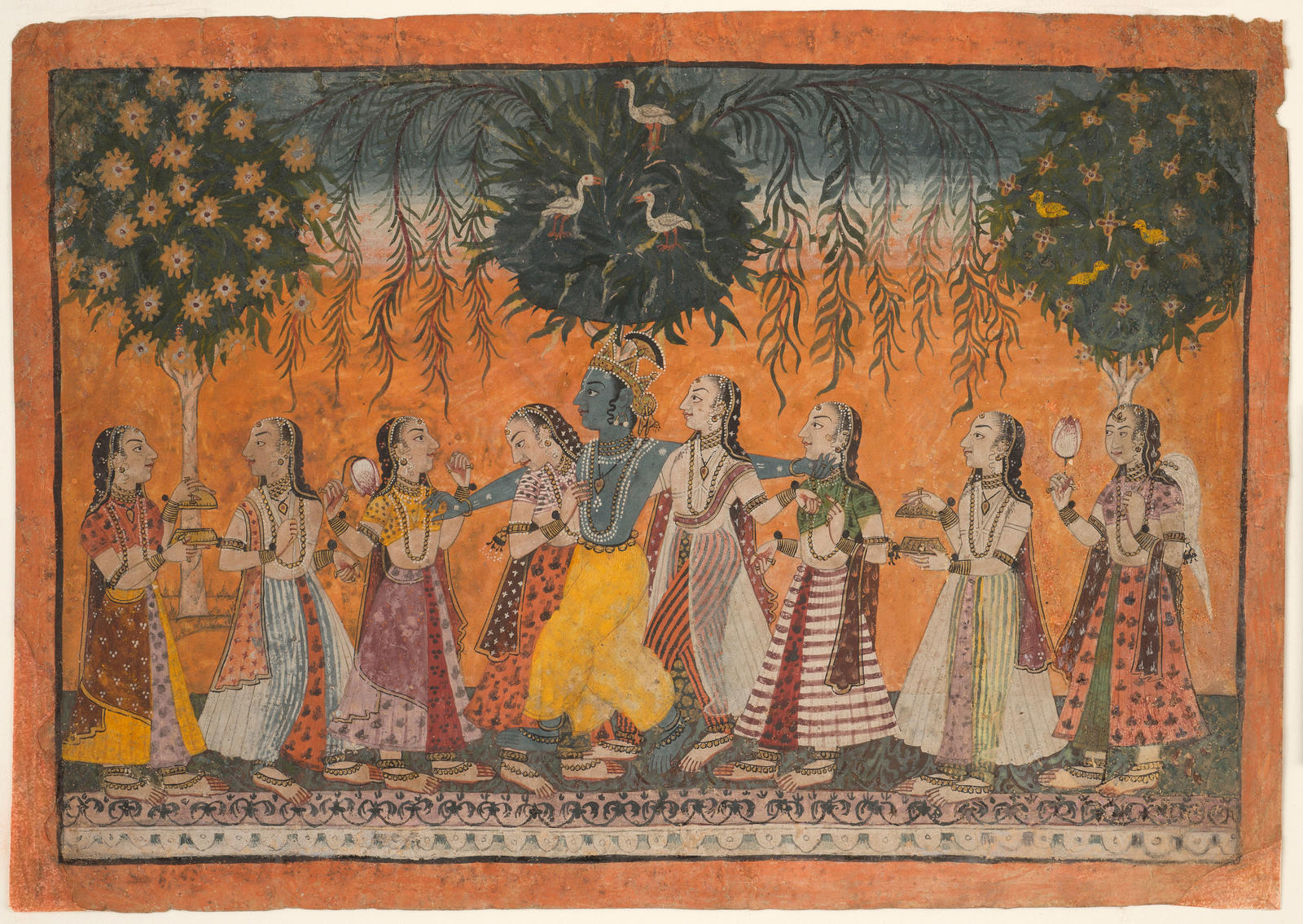
This painting celebrates the entrancing power of spiritual love. It depicts a story from the Srimad-Bhagavatam, one of the great Puranas (ancient sacred texts) in Hinduism describing Krishna’s life. A common subject in Kulu School paintings, this story describes how Krishna was so transfixed by the resplendent, red glow of the Sharad Ritu (autumn) night in the Vrindavana forest that he started to play music on his flute. Hearing his music, gopis (cow-herding girls famous for their unconditional devotion to Krishna) flocked to join him and together they danced with unbridled joy. Their dance is called the Rasa Lila, literally meaning ‘play of aesthetics’ and broadly translating to ‘Dance of Divine Love’. The orange background, typical of Kulu painting, not only represents the autumnal sunset but also casts the scene in a joyous glow. Celebrating both Krishna, the god of love, and the gopis’ unconditional devotion for him, this painting testifies to the power of rasa (mood) in conveying and evoking the spirit of divine love in painting and music.
- Artist
- Unknown artist
- Title
- Krishna and the Gopis
- Production Date
- 19th century
- Medium
- gouache
- Dimensions
- 206 x 293 mm
- Credit Line
- Auckland Art Gallery Toi o Tāmaki, purchased 2003
- Accession No
- 2003/40/2
- Copyright
- No known copyright restrictions
- Department
- International Art
- Display Status
- Not on display
More by Unknown artist (12)
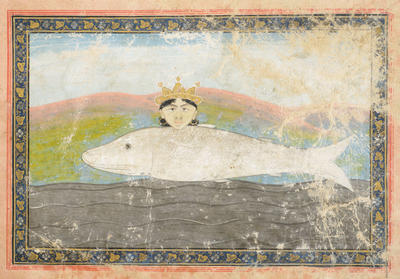
Matsya, the first incarnation of Lord Vishnu
1780
Krishna and the Gopis
19th century
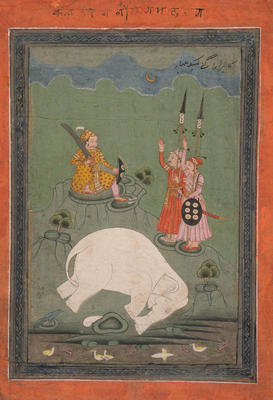
Death of a White Elephant (Kanada Ragini)
late 18th century
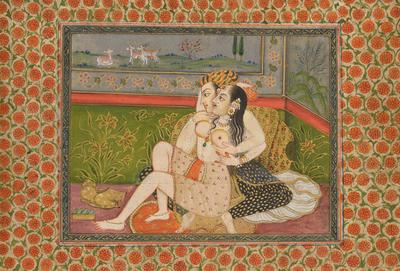
Couple embracing
18th century-19th century
Explore Connections (8)
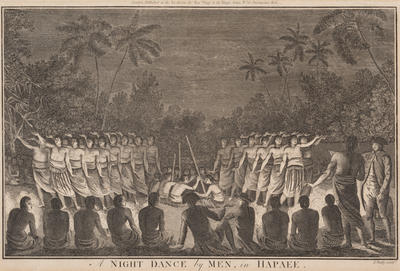
Dancers
86 Artworks
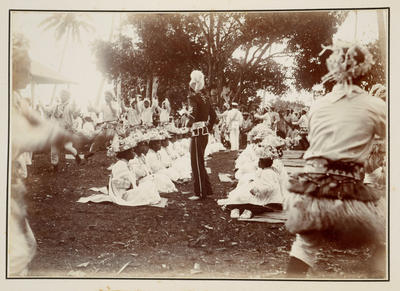
Dance
111 Artworks
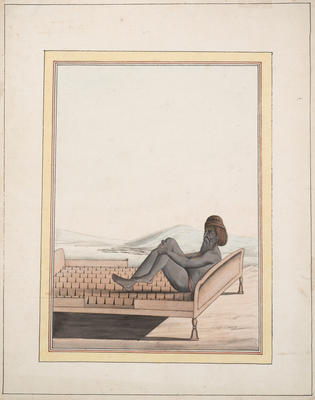
Hinduism
8 Artworks
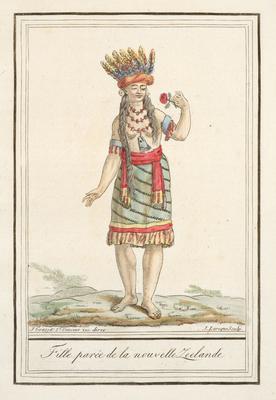
Skirts
39 Artworks
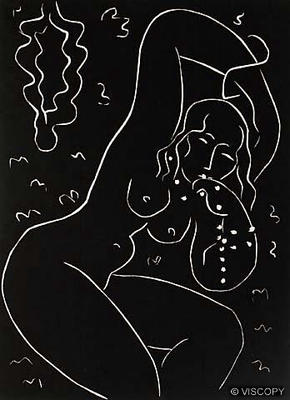
Beads (necklaces)
10 Artworks