6 spots in Auckland Art Gallery to make you feel something
We’ve handpicked the top spots to help you ponder, giggle and enjoy your way through Auckland’s most iconic art gallery.
Looking for a fresh perspective or an easy way to brighten a rainy afternoon in Auckland? Whatever mood you’re chasing, you’ll find it at Auckland Art Gallery Toi o Tāmaki.
To get the scoop, we asked two insiders about the spots that consistently spark emotion for visitors. Lincoln Putnam, operations manager at the Gallery, and Julia Waite, a curator, share six spots that are bound to sway your mood.
1. The ‘reset’ spot
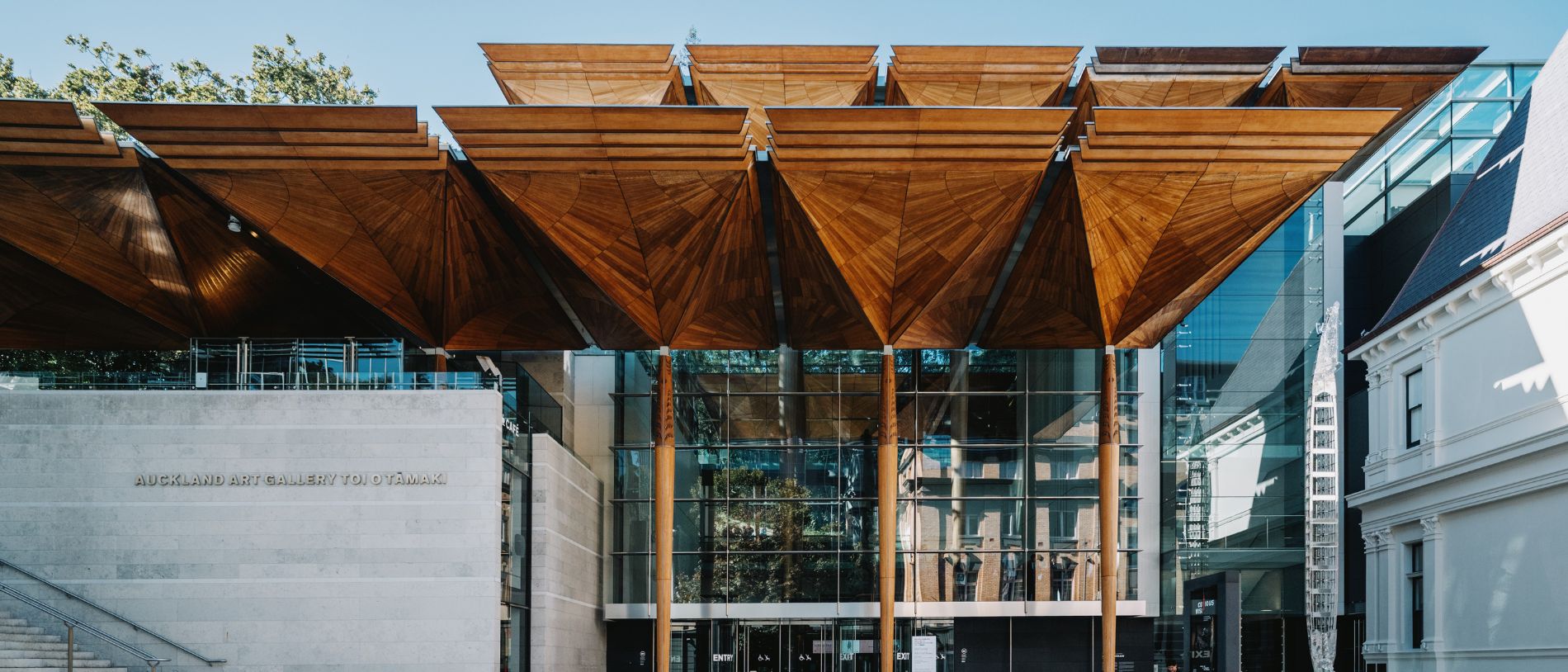
Where: The main entry beneath the kauri canopy
Feelings: Calm, transition, stillness
According to Putnam, visitors usually arrive carrying city energy. Phones are out, pace is fast – and then something shifts. Shoulders drop. Steps slow. People pause without being told to.
‘It feels less like entering a building and more like stepping into a sheltered clearing,’ says Putnam.
From Waite’s perspective, that moment of transition was intentional in the design. A native timber canopy, serene water and a glittering crystal waka (canoe) create a continuation of nearby Albert Park and its pōhutukawa trees, designed to help visitors transition from city to Gallery mode.
‘There is this sense you’re entering a magical forest,’ she says. ‘The entry has a strong connection to the natural world, which is important in Aotearoa New Zealand.’
Visitor tip: Don’t miss Reuben Paterson’s famous Guide Kaiārahi crystal waka sculpture, which soars above the forecourt pool at the Gallery entrance. Psssst… it’s particularly dazzling when lit up at night!
2. The ‘wow’ spot
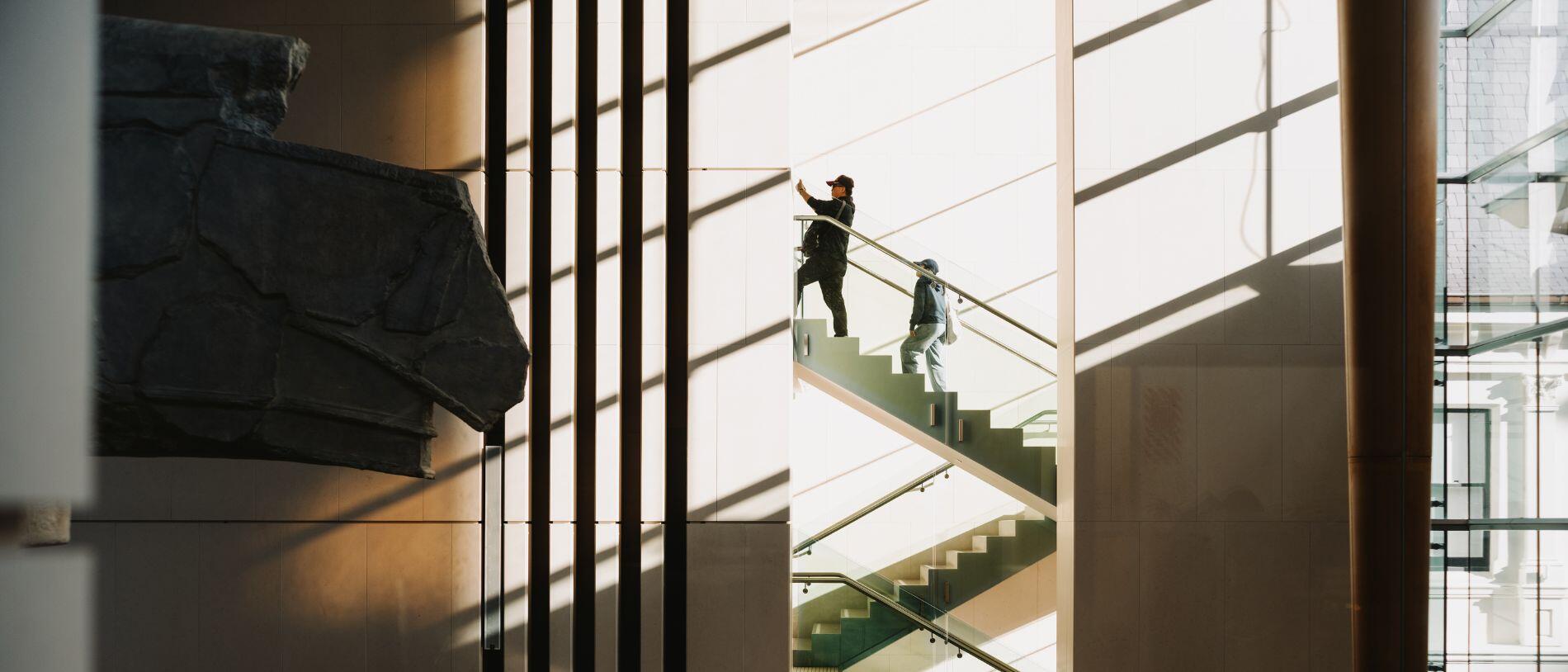
Where: Te Ātea | North Atrium and the Mackelvie Gallery (Mezzanine floor)
Feelings: Drama, wonder, awe
Putnam’s pick: Te Ātea. This is the Gallery’s cinematic ‘look up’ moment. It’s got it all: light, height, bridges and staircases, with people wandering through the space.
‘It’s the kind of place that makes you stand up straighter,’ Putnam says.

Waite’s pick? The Mackelvie Gallery, for sure. The heritage gallery feels worlds away from the rest of the building, with richly painted walls, classical columns, and rooms filled to the brim with international artworks from earlier eras.
‘You walk in and suddenly you’re surrounded by different eras,’ Waite says. ‘It’s immersive. It transports you.’
Such opulent works come from the Gallery’s founding collections, which gives the space historical weight as well as visual punch.
Why this stops people in their tracks
- Big spaces make you feel small (in a good way)
- You don’t find rooms like this elsewhere in the city
- It’s a reminder that you’ll find art made across many centuries at the Gallery
Visitor tip: Sometimes a space can be just as moving as a single artwork. Try giving Te Ātea or the Mackelvie Gallery the same attention you would a painting. Step back. Tilt your head. Ask yourself: How does this make me feel?
3. The ‘connection’ spot
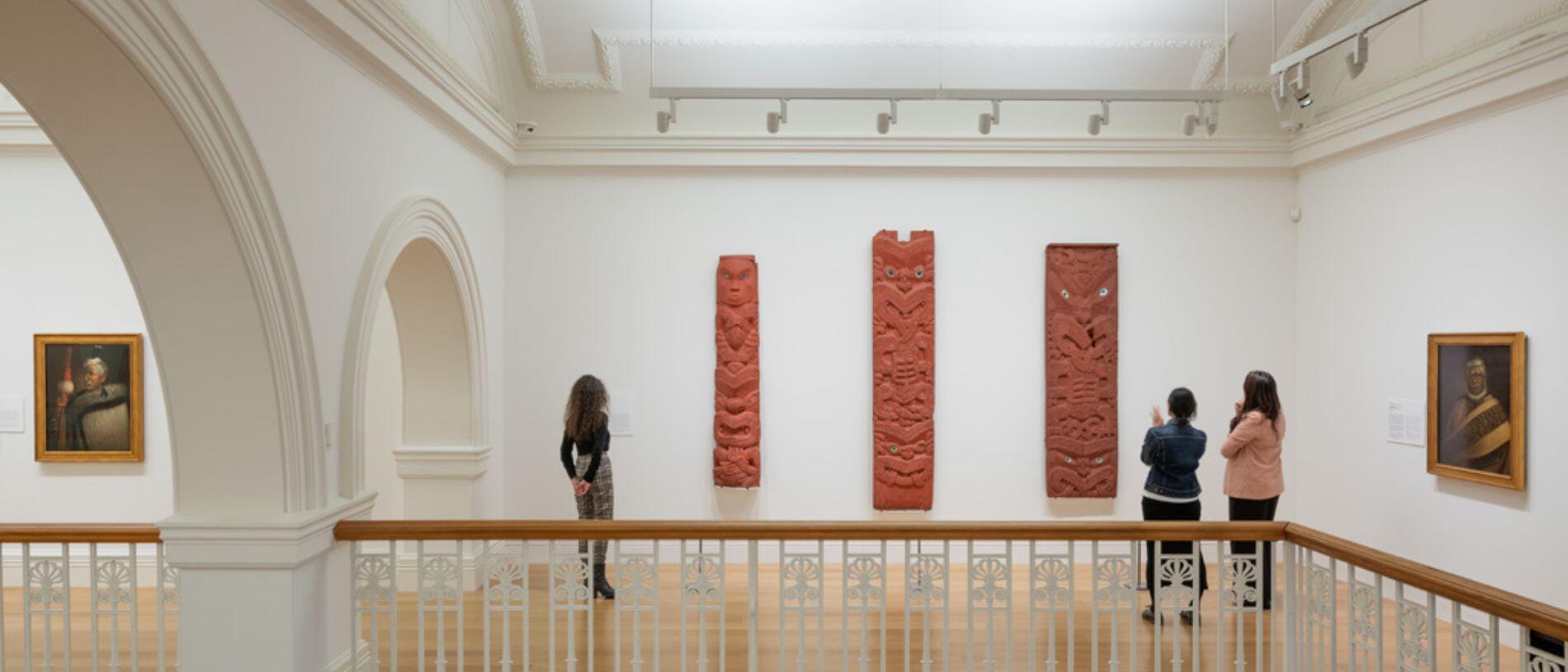
Where: Te Kawau Gallery (Level 1)
Feelings: Belonging, presence, human connection
A collection of treasured Māori portraits by New Zealand painter Gottfried Lindauer creates one of the most noticeable emotional shifts in the Gallery, says Putnam.
Visitors naturally go quiet. They lean closer. They take their time. ‘You can feel the shift from casual curiosity into something more grounded,’ he says.
There’s something about the Te Kawau Gallery that visitors instinctively understand. ‘These are tūpuna (ancestors),’ he says. ‘They’re dignified, they’re present, and they’re looking back.’
Waite describes them as living portraits that carry whakapapa (genealogy), tribal histories and ongoing connections to descendants today.
Behind the scenes, these works are presented through a Māori-led curatorial process, guided by tikanga and careful consideration of relationships and context. ‘When you’re with them, they don’t feel frozen in the past,’ she says.
What visitors often say
- ‘I didn’t expect to feel that.’
- ‘It feels respectful to slow down here.’
- ‘I feel present.’
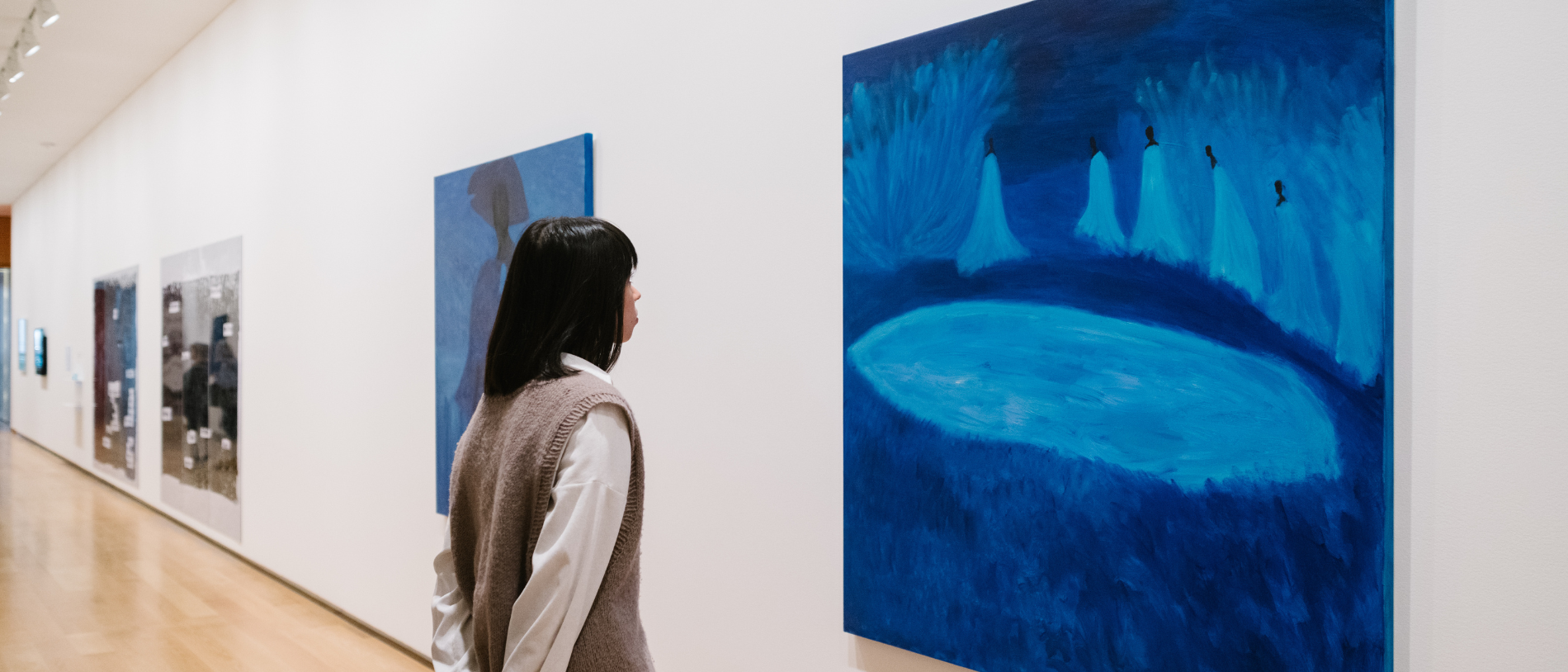
Artwork credit: Ruth Ige, Garden (midnight), 2024, installation view: Aotearoa Contemporary (2024), Auckland Art Gallery Toi o Tamaki, 2024. Commissioned by Auckland Art Gallery Toi o Tāmaki, 2024. Courtesy of the artist and Stevenson gallery.
4. The ‘challenging’ spot
Where: Contemporary exhibitions (throughout the Gallery, sculpture on North Terrace)
Feelings: Thoughtful, unsettled (in a good way), inspired
Contemporary exhibitions are where visitors often pause longer and read more closely. Putnam describes them as the part of the Gallery ‘where the work doesn’t do all the work for you’.
You don’t need to know anything about art to engage with it, says Waite. And ‘challenge’ doesn’t mean being confused or interpreting an artwork ‘the right way’. (Hint: there is no right way).
‘It’s about a sensory experience,’ says Waite. ‘An artwork might engage all your senses – you might wonder what it smells like, feel emotionally affected by it, or notice it brings up a memory. What matters is what it activates for you, personally.’
Contemporary works might look unfamiliar. They might be installations, performances, or ideas rather than traditional paintings. And that’s the point.
How to approach contemporary artworks
- You don’t need to understand everything
- Read as much or as little as you want
- Notice your reactions, not just the artwork
Ask yourself: Does this artwork create any reaction for me? Why or why not?
5. The ‘uplifting’ spot
Where: East Terrace (Level 2)
Feelings: Rejuvenation, reflection, relaxation
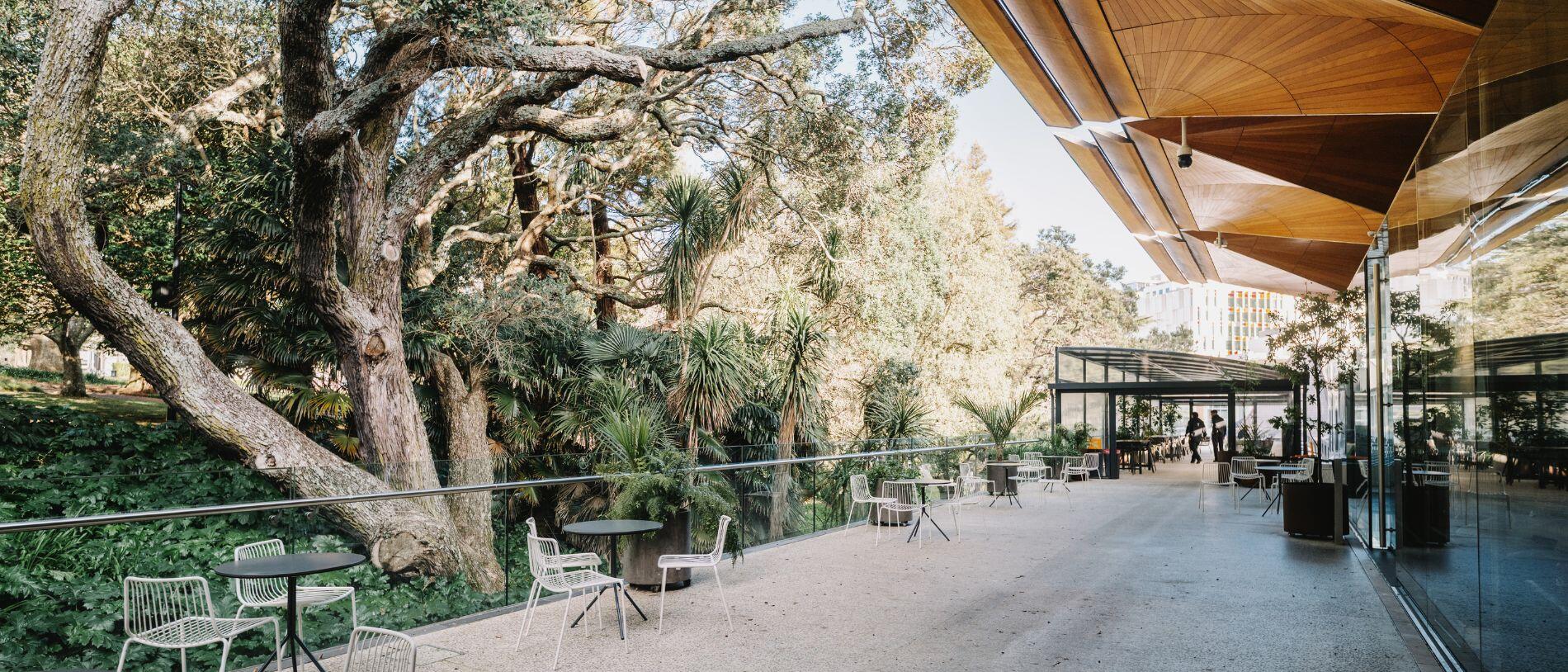
Need some fresh air mid-visit? Step out onto the East Terrace for a breather. Here you’ll find open sky, a rooftop courtyard lined with ancient pōhutukawa trees, and a view of Albert Park.
‘You step outside, get a breath of fresh air, and suddenly the whole visit feels lighter,’ Putnam says. ‘It’s one of those small pleasures people don’t plan for, but they’re glad they found.’
The mix of open sky and parkland feels especially uplifting in the heart of the city. On a good day, you might even spot tūī (or the occasional kererū) swooping past.
With tables and chairs, it’s also a practical place to pause, reflect, or enjoy a quick pre-packed lunch before heading back inside (with food and drink stored away before re-entry).
Visitor tip: Even a few minutes out here can change how the rest of your visit feels.
6. The ‘joy’ spot
Where: Te Aka Matua | The Creative Learning Centre (Mezzanine floor)
Feelings: Glee, playfulness, joy
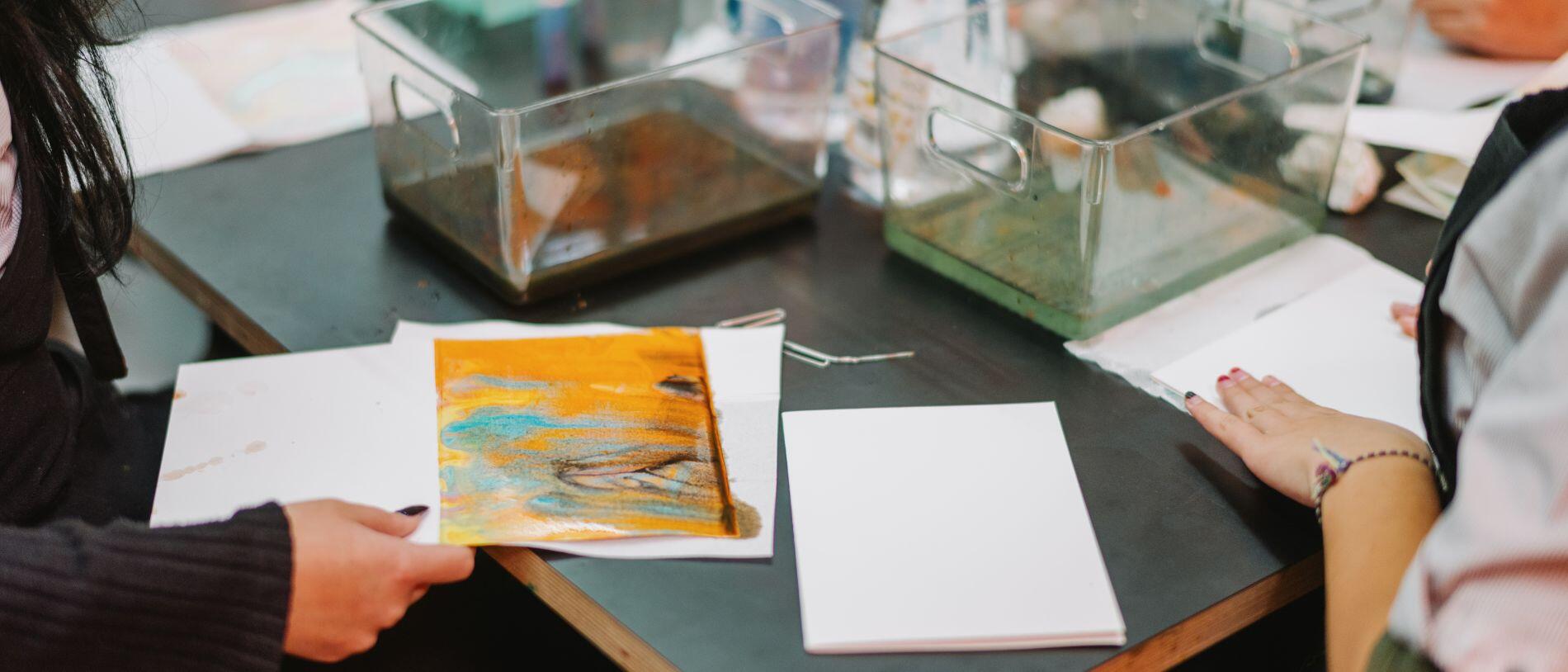
If you’re after a burst of energy or pure glee, make a beeline to the Te Aka Matua | The Creative Learning Centre.
While it’s a firm favourite with families, this whimsical space is a must-see for all ages. Expect texture, colour, and a sense of play delivered in delightful, unexpected ways. Fantastical artworks might be tiptoeing down the walls – or, depending on the exhibition, you could be invited to create something yourself.
According to Waite, this special space is where people can make, talk, and interact across generations. Does it get any more joyful than that?
Why joy matters
After looking at heavier or more thoughtful works, joy helps visitors stay open rather than overwhelmed.
Though Waite reckons the whole Gallery experience is joyful. ‘It’s about connecting with others, different perspectives and aesthetic experiences. That’s part of being human,’ she says.
Find your favourite spot at Auckland Art Gallery
Auckland Art Gallery is made for wandering. Skip the checklist, follow your instincts, and let our spaces do the talking. Pick up a Gallery map at the front desk (or explore our interactive Gallery map ahead of time) to start charting your own path.
You may also like
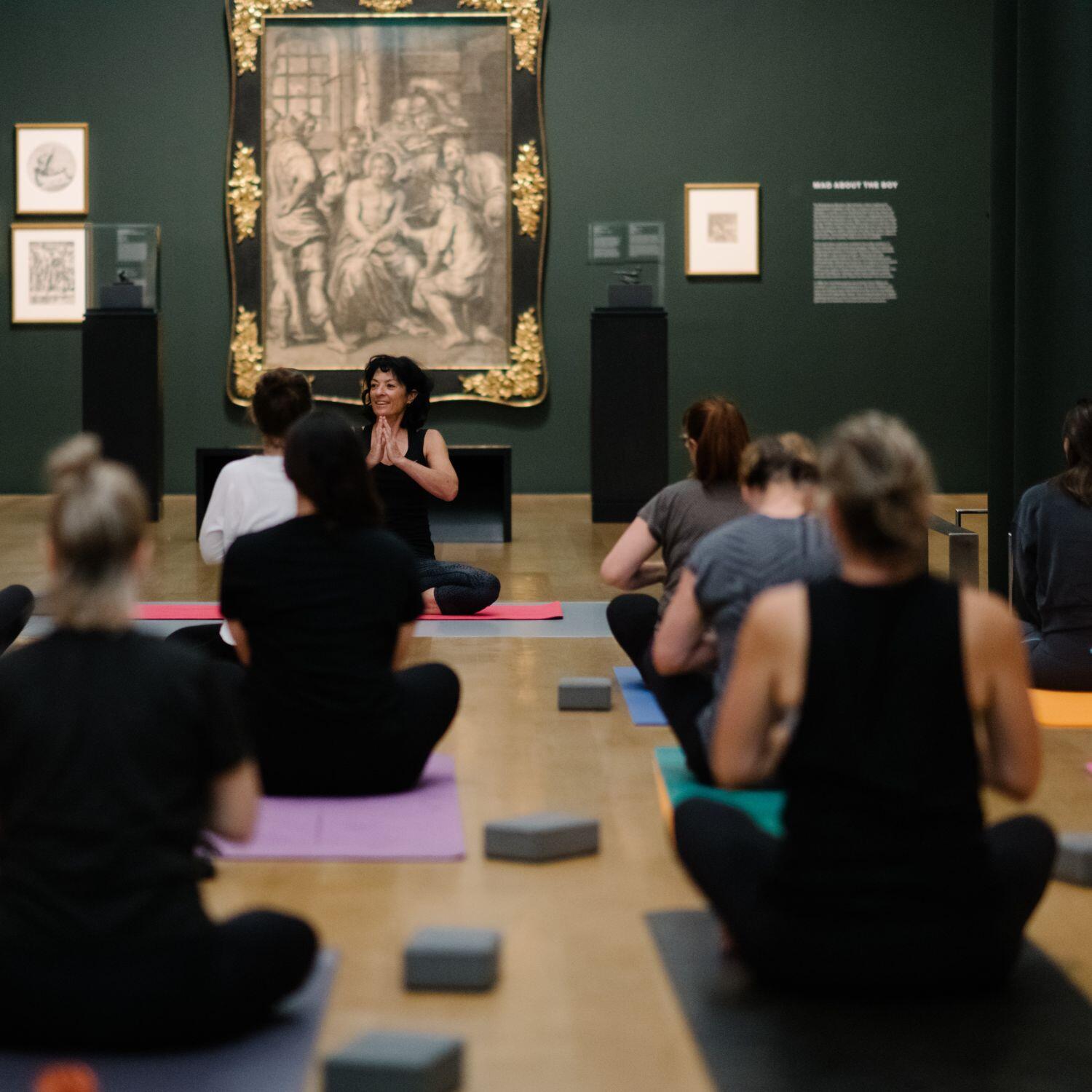
14 things to do at Auckland Art Gallery (that don’t involve looking at art)
Read article

A screen-free reset: How art galleries can help you de-stress
Read article

Little explorers, big art adventures: A family guide to Auckland Art Gallery
Read article

Your first visit to Auckland Art Gallery
Read article